

I keep thinking about the first things a kid notices.
Not policy. Not budgets. Not who owns the land.
Kids notice the cues. The front steps that lean like they are tired. The paint that looks sunburned. The hallway’s smell after it rains. The stairwell light that flickers like it’s deciding whether the building is worth the electricity. The window unit rattling through August nights.
Those details might feel small to the people making decisions. But to the people living inside them, they add up to a message.
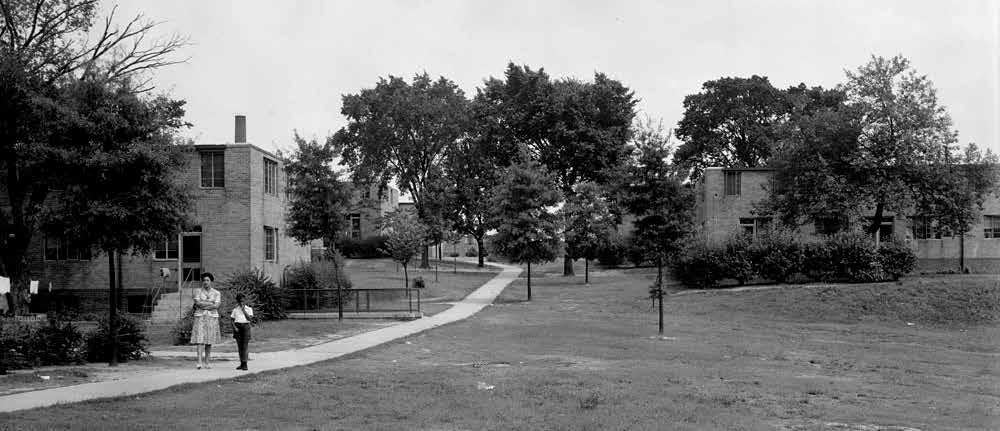
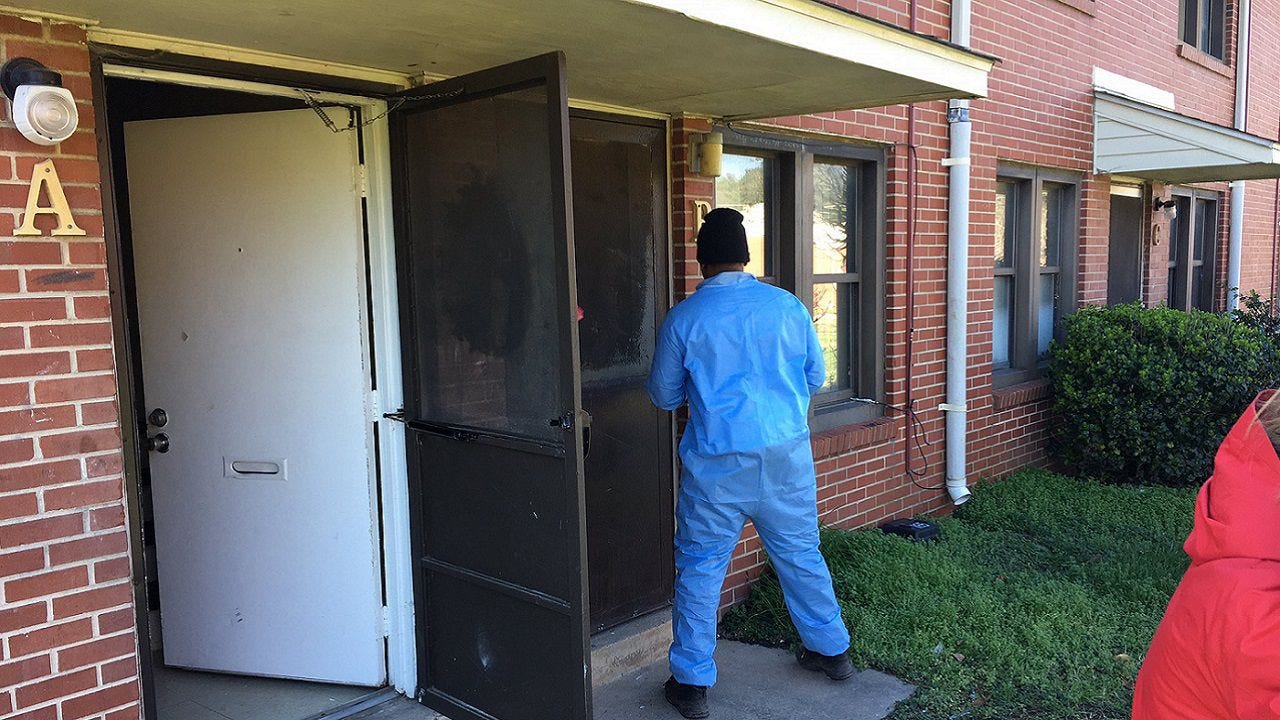
I noticed that message riding bikes through Chavis Heights in Southeast Raleigh. I noticed it again years later walking through McDougald Terrace. The people were warm. The buildings were worn. And the gap between those two truths taught me something early on.
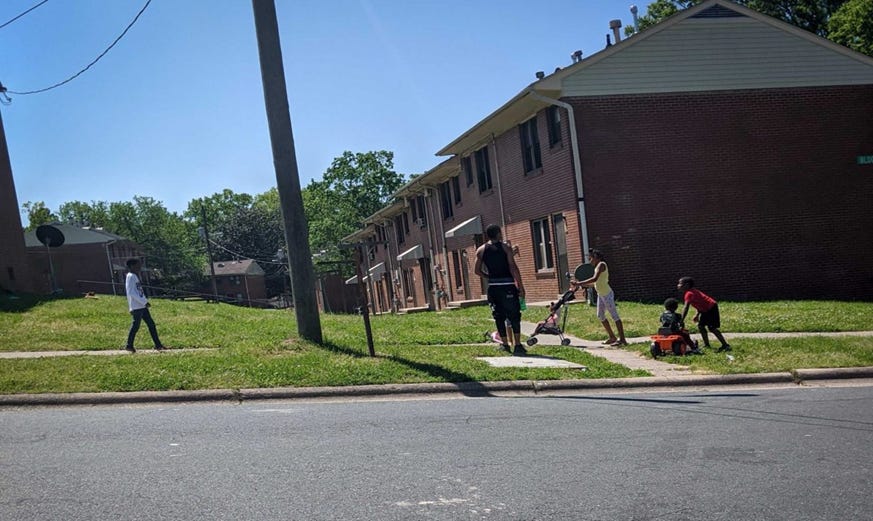
The problem was never the community.
It was the message the buildings were sending about what we should tolerate.
In my last piece, I wrote about what happens when we normalize minimums in affordable housing. Minimum finishes. Minimum repairs. Minimum imagination. “Just enough to pass inspection” becomes the standard, and everyone learns to call that success.
This is the follow-up. The part where we talk about solutions.
Not luxury. Not perfection.
Dignity, built into the system.
The Solution Isn’t One Big Idea
We keep hunting for a single silver bullet. One grant. One new program. One heroic developer. One construction method that makes everything pencil.
But dignity is rarely lost in one dramatic moment. It is lost through a thousand small decisions. A cheaper window here. A thinner door there. A mechanical system chosen because it is familiar, even if it fails more often. A community room shrunk until it becomes a glorified hallway.
So the fix has to be just as intentional.
Not one big idea. A set of disciplines that protect people when pressure hits.
Start With a Dignity Baseline, Not a Wish List
Most teams don’t wake up and say, “Let’s build something undignified.” The intentions are real. The renderings look hopeful.
Then the numbers arrive.
Bids come in high. Timelines stretch. Funding gaps show up. Value engineering starts. And suddenly, dignity becomes negotiable. The very details that shape daily life get treated like extras.
This is why dignity cannot live in a wish list. It has to live in a baseline.
Not just: “does it meet code?”
But: “will it feel good to live here?”
A dignity baseline protects fundamentals that keep buildings from becoming shameful too quickly. Light that reaches where people actually live. Ventilation that works in real life. Details that prevent moisture from becoming mold. Finishes chosen for durability in the places that get touched, scuffed, spilled on, and lived in.
A dignity baseline also protects the social basics. Now hallways feel safe. Entryways feel like arrival, not an afterthought. Shared spaces make it possible to run into neighbors on purpose. Outdoor areas feel like they belong to the people who use them.
A baseline changes the negotiation when budgets tighten. Instead of asking, “Can we afford dignity?” you ask, “What else can we cut so we do not lose it?”
Because some things should not be up for debate.
Build Smarter So Quality Doesn’t Get Traded Away
Affordable housing doesn’t just suffer from cost.
It suffers from chaos.
Delays turn into carrying costs. Labor gaps turn into substitutions. Material shortages turn into last-minute field decisions. The longer a project stretches, the more vulnerable it becomes to compromise. And compromise rarely lands on the things people see in a brochure. It lands on the things residents feel every day.
This is where smarter construction methods can help. Panelized and modular approaches aren’t magic, and they’re not the answer everywhere. But they can reduce variability, shorten timelines, and limit the number of moments when a project is vulnerable to being stripped down just to survive.
Speed is not the goal.
Stability is.
Because the longer a project drags, the more chances there are for it to slide from thoughtful to bare minimum. Building smarter is not about chasing a technique. It’s about creating a process that protects quality when everything else is moving.
If dignity is the goal, stability is not optional.
Finance Like the Story Continues After Ribbon Cutting
We fund housing like opening day is the finish line.
But residents live in year five. Year ten. Year twenty.
They live in the operating budget. In the maintenance backlog. In the response time when something breaks. In whether the heat works in January and the air holds in August.
A building can be affordable on paper and punishing in practice.
High utility bills make rent feel higher. Failing systems turn everyday life into a series of work orders. Deferred maintenance becomes the new normal. Pride turns into fatigue; not because people don’t care, but because the building keeps proving that no one else does.
Dignity requires financing that rewards long-term performance, not just first cost.
That means pairing preservation dollars with energy upgrades when systems are failing. Funding replacement reserves like we intend to keep the building healthy. Choosing equipment that maintenance teams can service, not just install. Designing envelopes that do not bleed air and moisture.
The promise of affordability cannot stop at rent.
It has to include the cost of living well.
Consult Residents as Co-Designers, Not Commenters
There’s the kind of engagement that checks a box. A meeting. A sign-in sheet. A few comments. A plan that looks the same afterward.
And then there’s collaborative design. The kind that changes the plan.
Residents know where the light disappears. Where safety feels thin. Where kids naturally gather. Where elders need rest. How laundry, mail, strollers, and everyday life actually move through a building.
That knowledge is not a nice story.
It is design intelligence.
When resident wisdom shapes entries, circulation, courtyards, and community rooms, the building starts to fit the people inside it. It stops feeling like a product delivered to a population and starts feeling like a place built with a community.
This wisdom also provides a practical benefit that isn’t talked about enough. When a building fits how people live, it gets used the way it was intended. It gets cared for more easily. Conflict goes down. Pride goes up. Stability increases.
That is not romantic.
It is asset performance.
Build a Better Message
A dignity baseline sets the standard. Smarter building protects it under pressure. Long-term financing sustains it after move-in. Resident co-design makes it real in daily life.
None of this requires luxury. But it does require intention.
Because affordable housing will always send a message. The question is whether it communicates, “This is the best we could do,” or “We built this with care because you matter.”
Dignity is not something you sprinkle on at the end.
It is the foundation.
Call to Action
On your next project, name one dignity non-negotiable and write it into the work. Protect it when the budget tightens. Because we are not just delivering units. We are building belonging.
Desmond Dunn is a husband and father of two, building a path in small-scale real estate development. He’s an emerging affordable housing developer and an Urban Design and Development Consultant at r.plan, focused on projects that strengthen underserved communities like Southeast Raleigh through good design and real community benefit.
