

This article was authored by Michael Kramer, a veteran multi-disciplinary residential design firm leader with 25 years of experience working in estimating, purchasing and architectural design for regional and national builders and design firms.
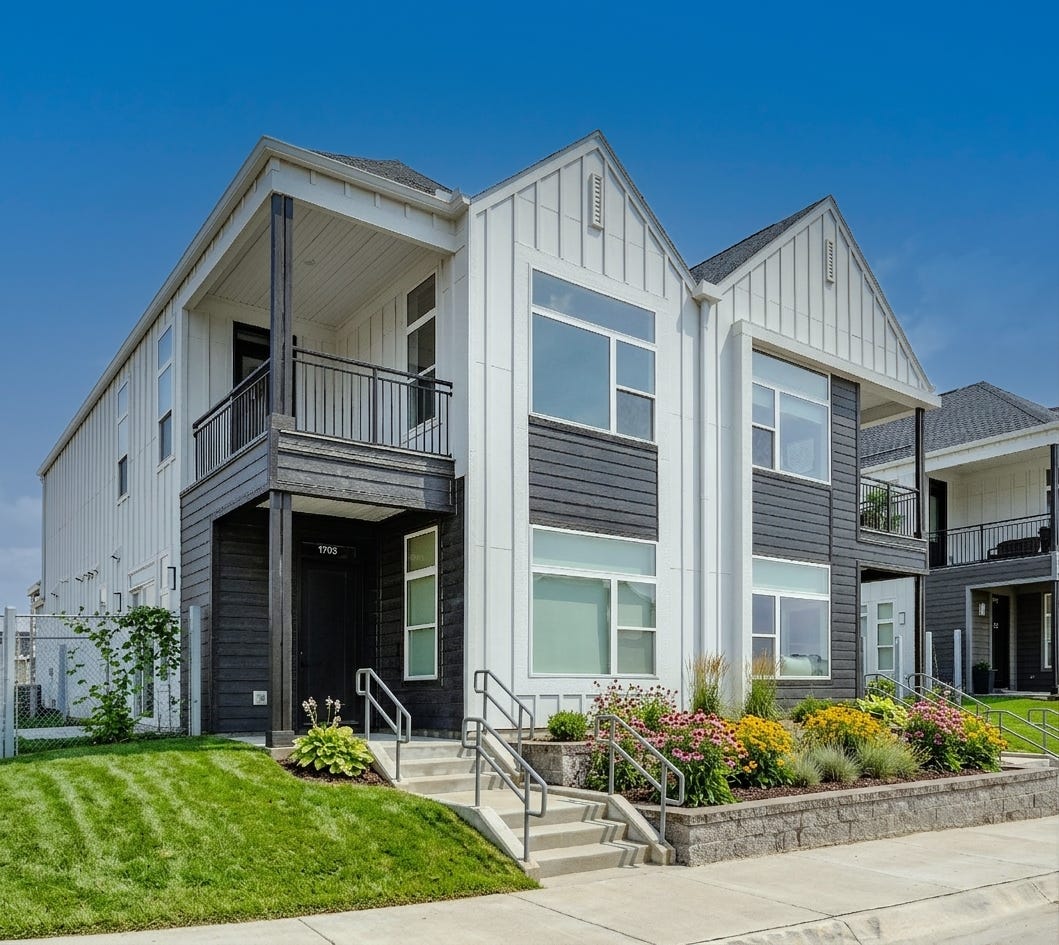
Build to rent housing is the most significant new product initiative in the housing market over the past decade. While often lumped together with single family rental housing, build to rent communities serve a distinct purpose. They are intentionally designed communities that provide renters with housing that feels more like a traditional home while remaining attainable for households that are not ready or able to purchase.
Recently, legislation around institutional ownership of rental housing has sparked conversation about potential consequences for this segment of the market. While the intent of these measures is often tied to housing affordability, the discussion should always consider how policy might affect community design, project economics and the long-term health of neighborhoods.
The challenge is not simply about ownership structures. The larger question is how current and future legislation might affect the housing choices that build to rent communities currently provide.
The Niche Role of Build to Rent
Many residents reach a point where apartment living no longer meets their needs. They want more privacy, more outdoor space and a housing experience that feels closer to a traditional home. At the same time, rising home prices, financing challenges and limited inventory often place homeownership out of reach.
Build to rent communities emerged in response to that gap. They have become the new iteration of “missing middle” housing our country so desperately needs.
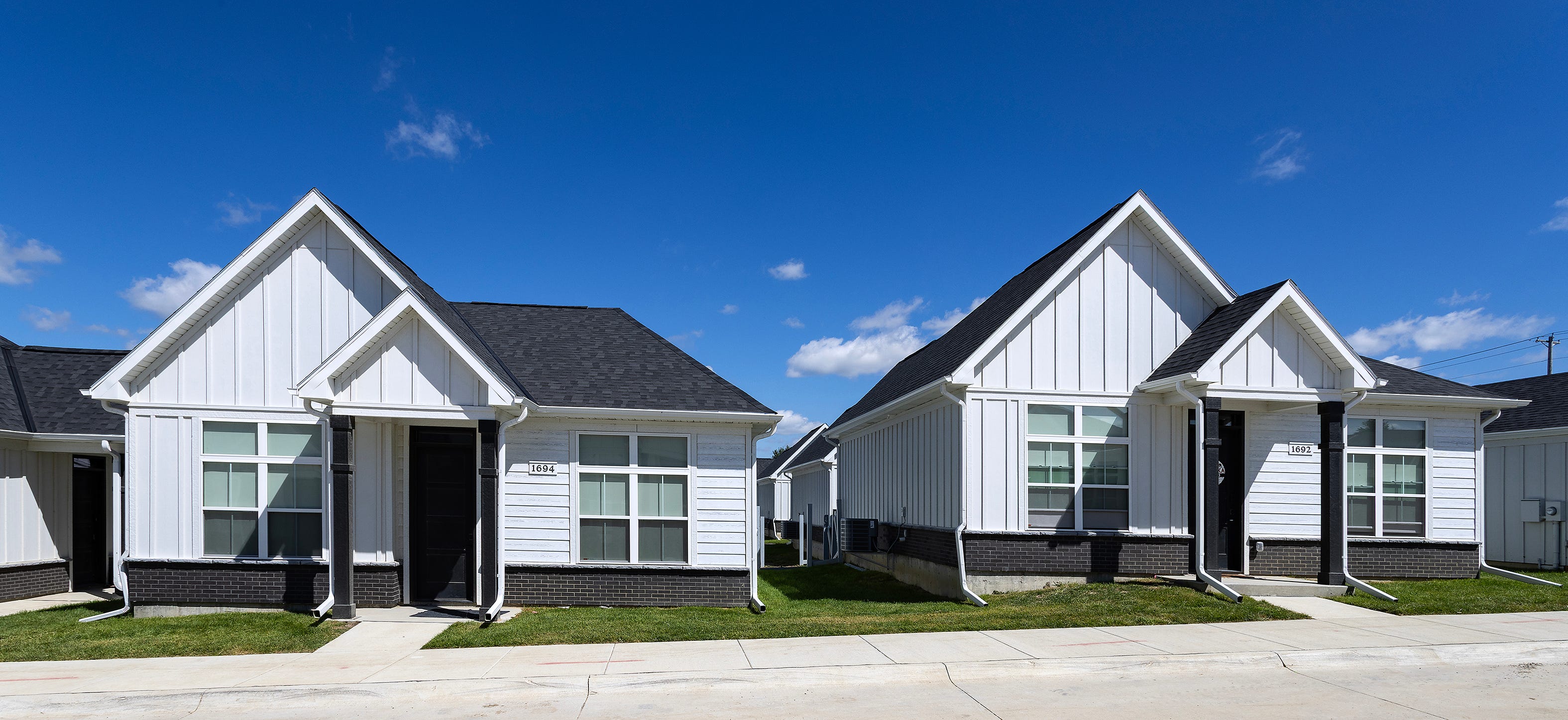
The goal has been straightforward: Create housing that offers the feel of a single-family neighborhood while maintaining the flexibility of renting. In many cases, that means cottages, detached homes, townhomes or a mix of housing types arranged within a professionally managed community.
These communities were never intended as a substitute for homeownership. Instead, they became a practical option for residents seeking a transition between apartment living and a future home purchase.
Design Impact: Fewer Housing Choices
One of the contentious elements of the recently proposed build to rent legislation was its impact on community design by requiring the eventual sale of rental homes after a defined period. It was clear that the uncertainty surrounding long-term ownership threatened to introduce new risk into the development process. The developers I work with around the country were prepared to respond to this risk by adjusting product types. While revisions to the bill have significantly altered the details around ownership structure, it’s still a potential future concern.
If policy change causes detached rental homes to become more difficult to finance, manage or eventually sell, many builders may shift to more traditional multifamily formats. Garden apartments, stacked flats and larger attached products would become the safer option. This would reduce housing diversity.
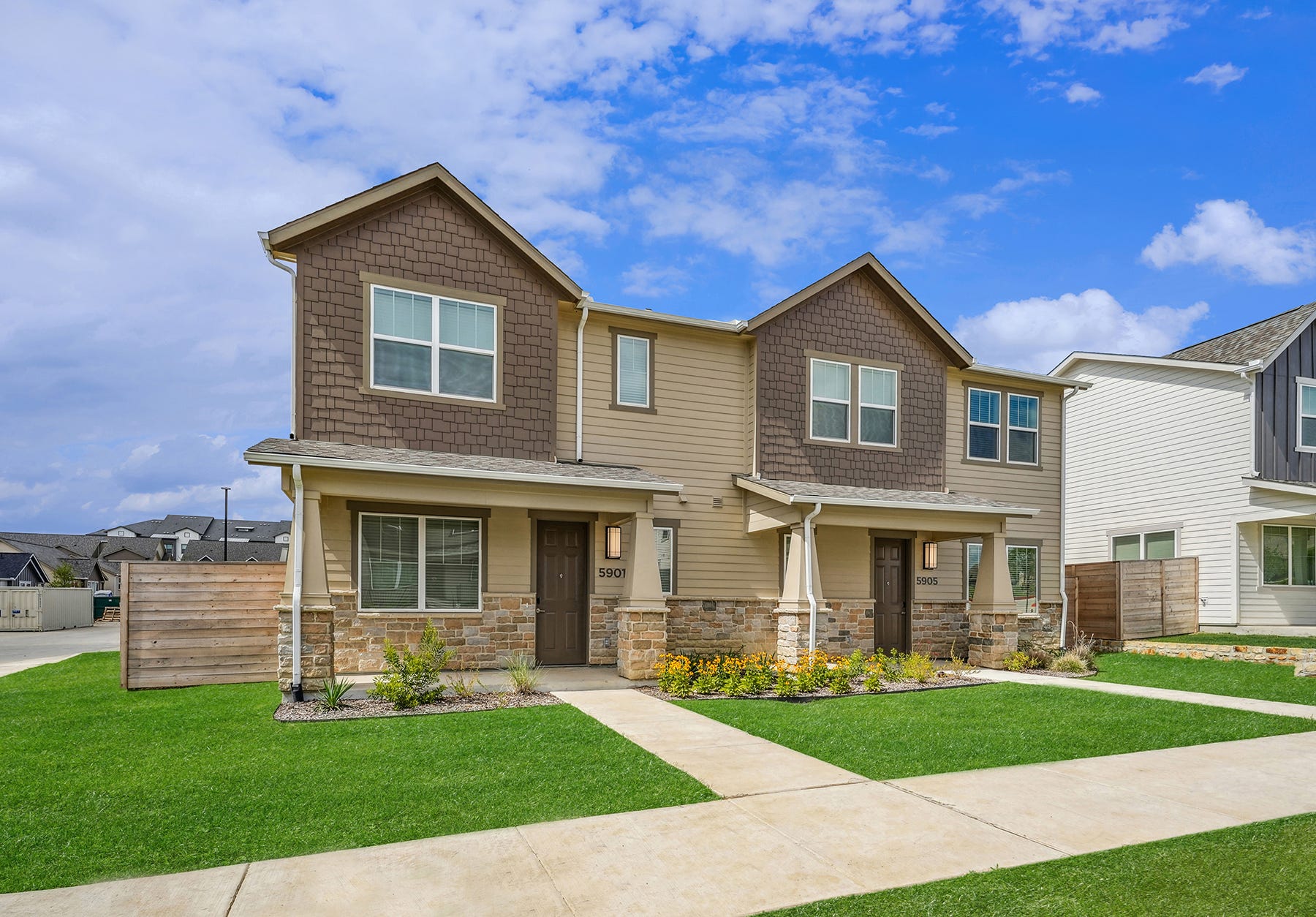
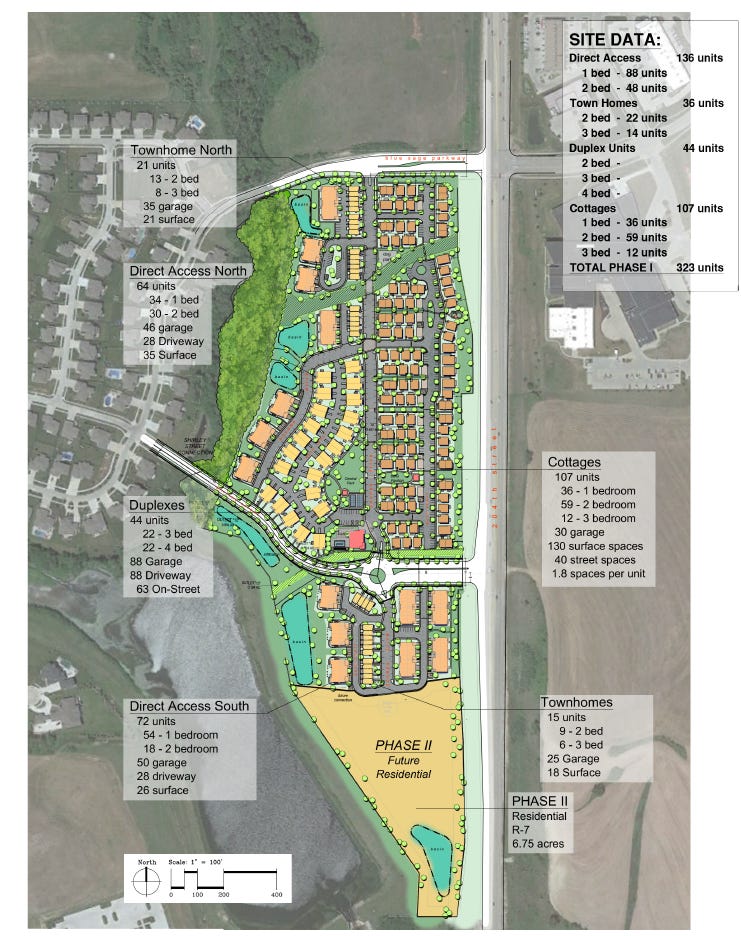
Over the last several years, many build to rent communities have evolved beyond a single product type. Successful projects increasingly include a mix of detached cottages, duplexes, townhomes and apartments. This progression allows residents to find housing that fits their life stage while remaining within the same community.
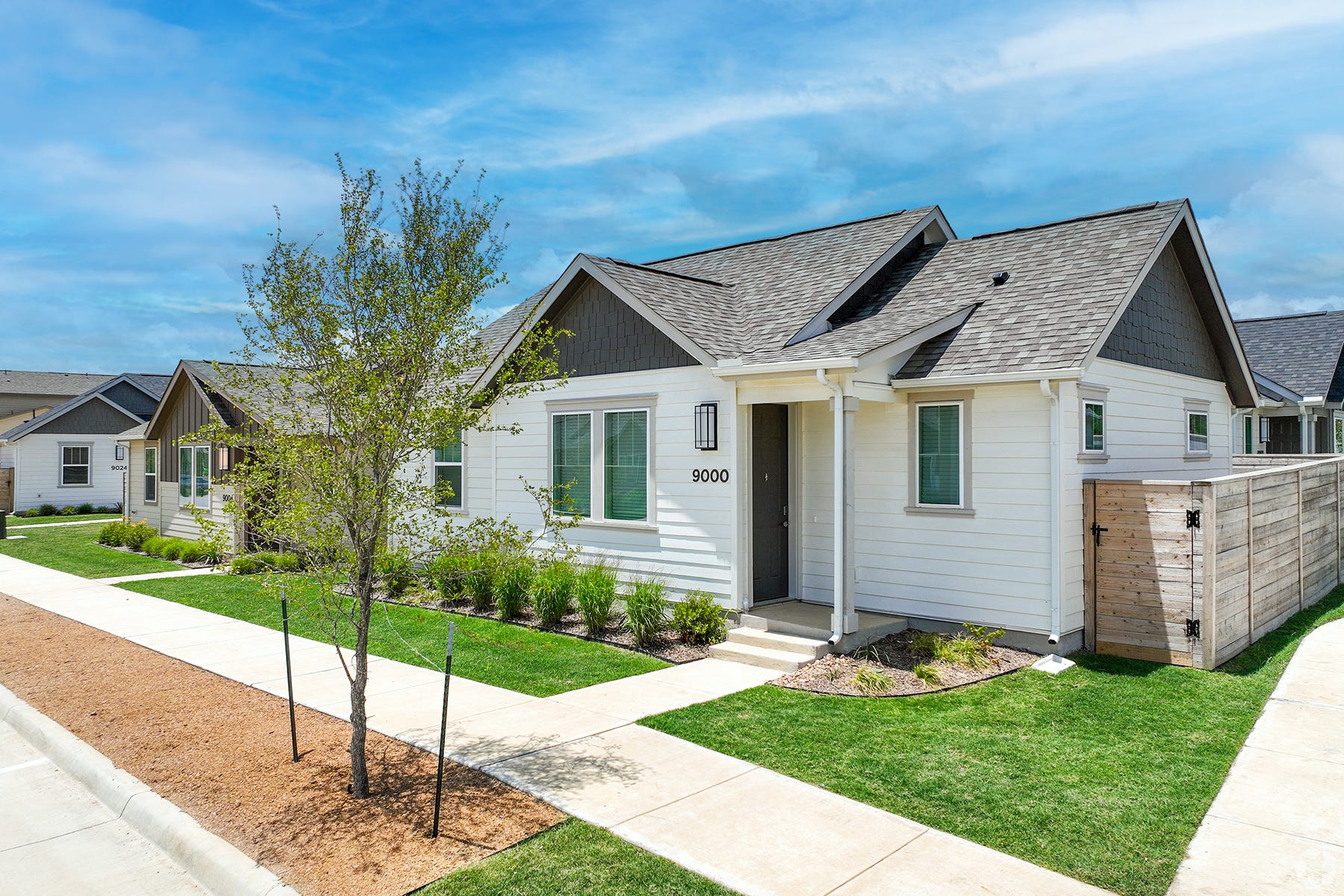
Policies that effectively remove detached housing from the equation could eliminate this diversity. For example, single-story cottage products have become particularly attractive to active adults, retirees and residents seeking single-level living. Those housing types serve a different market than conventional apartments or townhomes. If legislation makes those products less viable, that segment of housing could disappear from future projects.
Municipalities may also respond by changing how communities are entitled and platted. In some scenarios, local governments could require different ownership structures or development approaches. Those changes can affect setbacks, density, and site planning, ultimately reducing design flexibility. In practice, communities may become more uniform and less responsive to the diverse needs of renters.
Affordability: Intentions vs. Reality
Supporters of build to rent restrictions often cite affordability as a primary objective for policy change. The concern is understandable since housing affordability remains one of the most pressing challenges facing communities across the country.
The question, though, should be whether these proposals actually increase affordability. New policies cannot change the fundamental issue in our industry: It’s expensive to build homes.
Land costs remain elevated in many markets. Infrastructure requirements continue to grow. Regulatory expenses represent a significant portion of development costs. Even when homes become smaller, many of the most expensive components remain the same. Kitchens, bathrooms, mechanical systems and utility infrastructure are required regardless of square footage. As a result, affordability is not solved simply by requiring rental communities to transition into for-sale housing.
Build to rent communities currently provide a housing option for residents who may not qualify for mortgages or who are not financially prepared for homeownership. If that housing option disappears, the affordability gap does not shrink. It widens.
Developers facing uncertainty may decide not to pursue these projects at all. In my conversations with developers throughout the industry, many are already taking a wait-and-see approach. Others have removed the product type from their pipeline entirely until greater clarity emerges.
When fewer developers are willing to move forward with build to rent communities, housing supply becomes even more constrained, placing additional pressure on rents and home prices alike. In this scenario, legislation intended to improve affordability may ultimately reduce the number of attainable housing options available to residents.
Community Building & Long-Term Local Benefits
All policy considerations extend beyond individual projects and into the broader health of local communities. Well-designed build to rent neighborhoods can create a housing progression that mirrors how people move through different stages of life. Residents may begin in an apartment, transition into a townhome and eventually choose a detached home within the same area.
That progression supports long-term community stability.
Residents remain connected to local schools, employers, businesses and social networks. Communities benefit from a broader range of housing choices without requiring residents to leave the area as their needs evolve.
If developers feel restricted by new legislation, that progression becomes more difficult to create. Communities that lose detached rental products provide fewer opportunities for households seeking a step between apartment living and homeownership. Young families, active adults and retirees could find themselves with fewer local choices that match their needs.
Many policymakers are attempting to address legitimate housing concerns, but build to rent communities are often misunderstood. These developments are not simply collections of rental houses. They represent a distinct housing model with unique planning, ownership and operational considerations. A productive conversation should focus on understanding how these communities function, who they serve and what role they play within the broader housing ecosystem.
Looking Ahead
Housing policy will continue to evolve, and thoughtful debate is essential. I hope future conversations consider the broader implications for design, affordability and community development.
Build to rent communities were created to address a specific housing need. They offer an alternative for residents seeking more space and privacy than an apartment while remaining unable or unwilling to purchase a home. So as legislators evaluate potential changes, I would urge them to consider whether proposed solutions address the root causes of housing affordability or simply remove one of the few housing options that currently helps bridge the gap.
The future of build to rent may ultimately depend on finding policies that preserve housing choice while supporting attainable development. If that balance can be achieved, communities will be better positioned to serve residents across a wide range of life stages and economic circumstances.
About the Author
Michael Kramer is a veteran multi-disciplinary residential design firm leader, managing operations and coordinating teams on regional and national design and development projects of nearly every scale and product type. With 25 years of experience working in estimating, purchasing and architectural design for regional and national builders and design firms, Michael brings a practical perspective to every new project.
He is a dedicated advocate of the AEC industry through professional development, networking, association involvement, speaking engagements and awards programs. As a past president and 2011 Builder of the Year for his local Building Industry Association, Michael helped navigate the association through one of the most difficult times in our industry. He continues to engage locally and nationally, speaking and writing about key issues and design trends in order to help his colleagues, peers and clients advance their respective roles in the industry.