Like every other first year student at my university, I had to take a Writing 101 course. There were dozens to choose from, but the other courses on my schedule restricted the options available to me down to two. Since I had always been fascinated by ornate buildings and unable to tear myself away from architectural history books, I selected “Architecture and Anthropology,” thinking that if I had to write thousands of words about a subject, it might as well be something I was curious about.
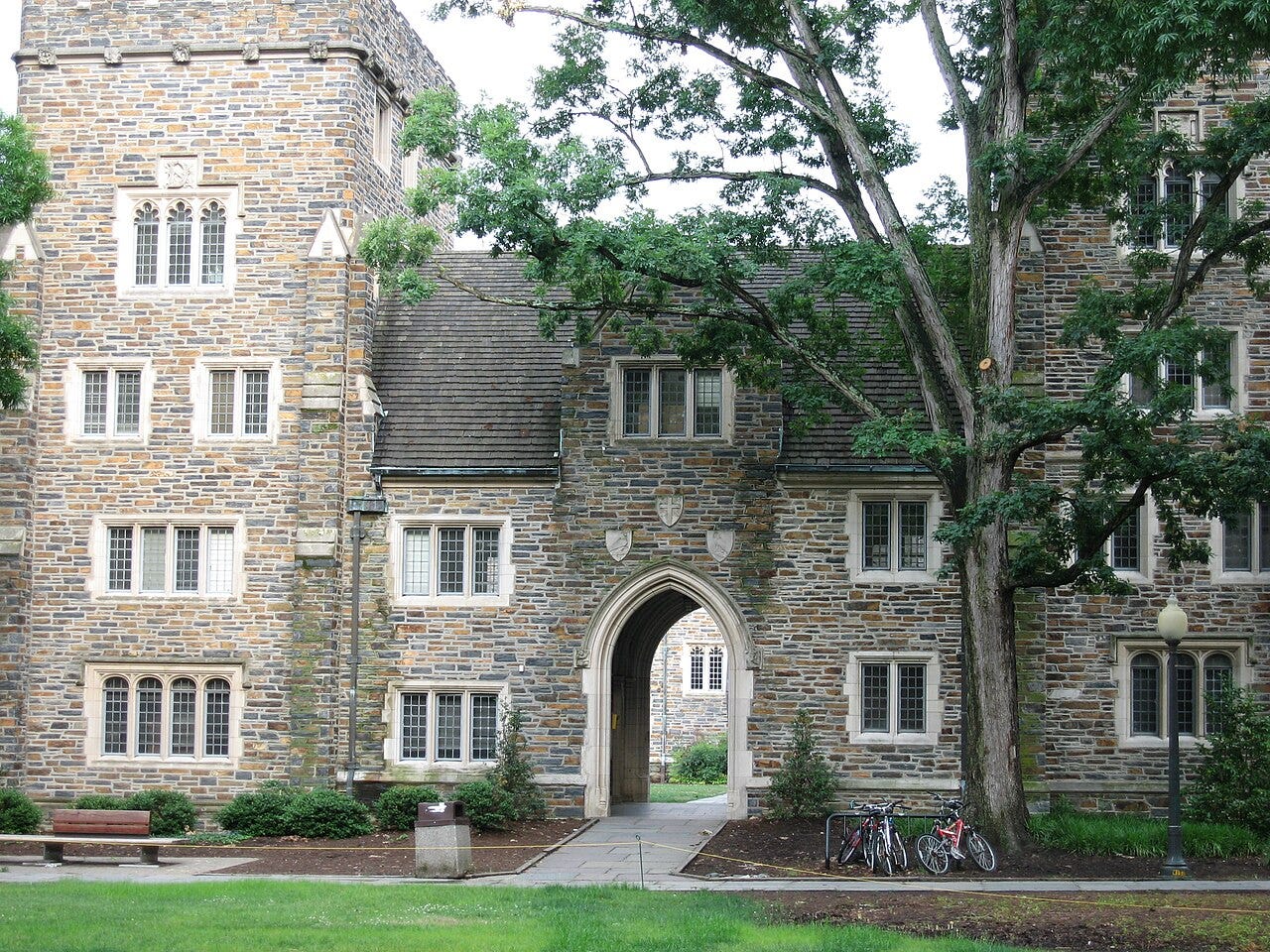
That seemingly inconsequential choice fueled what was previously a dimly lit flame within me, one that burned to understand how the built environment around me determined my world. After a few months and a few dozen readings of Koolhaas, Bourdieu, and Foucault, I couldn’t walk around anywhere without thinking more critically about how every building, pathway, dorm, office, and concerted set of these on campuses and in cities shaped my every movement. I followed up on the passion inspired by that writing class with a digital humanities course on the architectural history of my university, which blossomed into a Board of Trustees involvement that was spun into a fellowship position after I graduated. In that fellowship I joined the team redesigning the undergraduate residential model and led a program that incorporated the historic built environment into a set of coherent, durable identities for all incoming students. And in my final report to the Board, I used not one but two references to the original readings from that class I took during my first year.
I graduated with degrees in neuroscience and linguistics, but the expected postgraduate pathways into medicine or doctoral studies had begun to strike me as decidedly not the most interesting and important thing I could be working on. I’d recently read Sarah Goldhagen’s book Welcome to Your World about the neuroscience of the built environment, and it only pushed me further in the direction of realizing that the big, looming problems my generation faces have big, systemic causes. I didn’t want to spend four or five more years in an educational setting preparing to narrowly treat or assess the negative conditions that are a long way downstream of their causes. What I really wanted to do was look farther upstream and discover what was causing all of the loneliness, isolation, mental illness, economic hardship, and ill health. The lack of abundant housing might not be the only upstream source of these issues (as the Housing Theory of Everything suggests), but it’s certainly one of the primary contributors and the one I believe is the most important to improve. And I have learned that the work of doing so also seems to undeniably attract the most interesting and thoughtful people around, a fact to which anyone involved with CITYBUILDER can attest.
What Gen Z Faces
Generation Z grew up native to the digital world, and we’ve so far endured major recessions in childhood, a global pandemic which interrupted our education and our formation of social ties, a social media environment that started out with startlingly few guardrails, and political polarization unprecedented in living memory. In addition to these, there is a widespread economic pessimism driven by poorer job prospects and higher costs than ever before, escalating evidence of ecological destruction, and the constant specter of mass-casualty gun violence. We’re encountering a fundamental upheaval in our early careers due to AI, which is not only making several hard-won skill sets obsolete (e.g. writing software code), but which is also incentivizing corporations against hiring trainees or recent graduates because much of the tedious work such a category of laborer would do in the past can now be done by the silicon minds housed in data centers (or so we are told).
Other commentators have written extensively about the polycrisis faced by our generation. It is not unreasonable that the generational cohort facing all the challenges outlined above as well as systemic exclusion from positions of power that can change any of it would develop widespread loneliness, isolation, depression, anxiety, financial hardship, and political pessimism. The polycrisis for Gen Z is tied up into a few significant knots, but more abundant housing and better cities is from my perspective the most crucial one to untie (or like Alexander, to cut!).
Why Citybuilding Meets the Challenge
So how did this Gordian knot of our housing crisis get tied in the first place? Flight from dense urban centers within cities was incentivized in the American post-war period by the economic shift from manufacturing to knowledge and service work, the poor state of sanitation and safety in cities, the rapid build-out of suburban developments, the relative affordability of automobiles and the expansion of roads and highways, and significant racism toward cities’ minority residents.
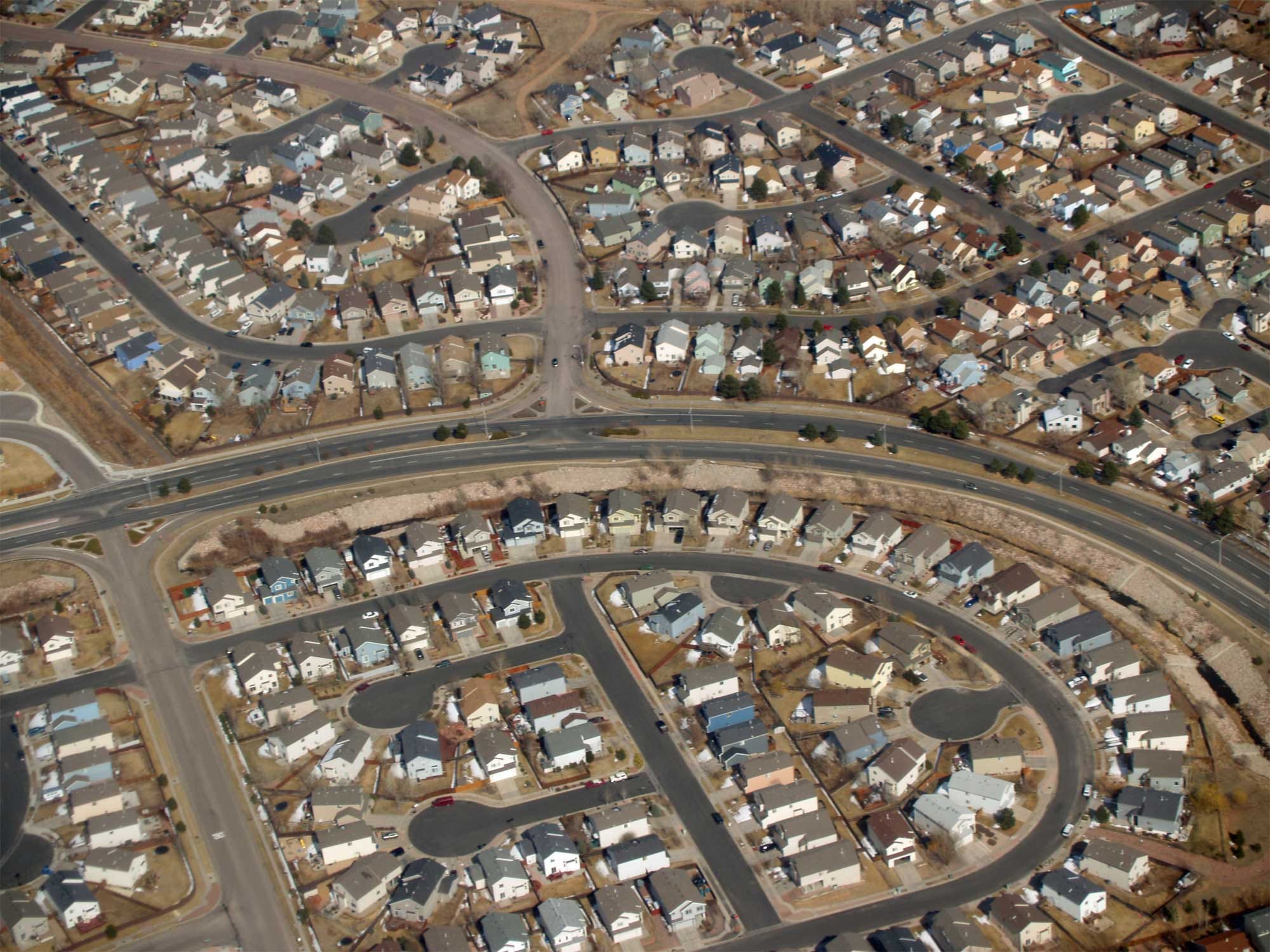
Where that has left us seventy-five years later is physically more distant from each other, and more socially distant as a consequence. It’s much harder to build strong social ties without the ubiquitous and spontaneous opportunities to encounter your peers that are available in walkable urban places. The deterioration of civic associations and other concrete social groups during the same period (cf. Bowling Alone) is an obvious downstream outcome. How can you justify participating in a social activity if the driving time there and back is longer than the activity itself? Social media platforms began as a virtual solution to this physical distance, but evolved to show just how much we still need to see each others’ faces in person, proven so even more by the coronavirus pandemic.
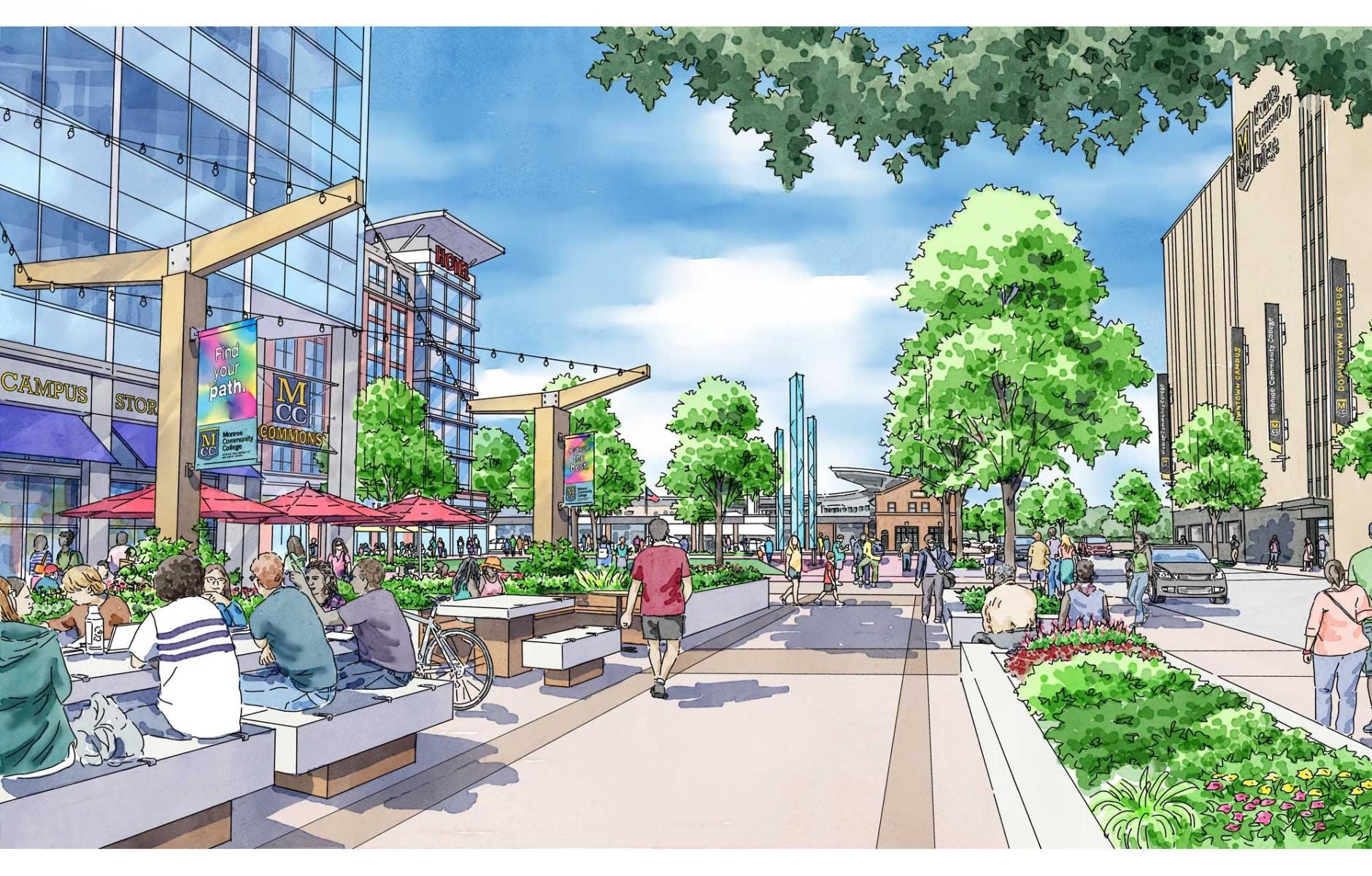
Cities that are instead built toward a gentle density where residents can walk around, run into the people they know spontaneously, and share in a full life together could untie some of the loneliness and isolation knot we face as a generation. The barrier to scrolling on social media is low, but if the barrier to spending time in person with the people you know and love were lower than it currently is, the greater satisfaction and sense of community that socialization creates would have a fighting chance of overcoming social media’s draw.
The desirability of a dense, walkable city and neighborhood is well established on the basis of the evidence that it is these places which have the most expensive real estate in the entire country. Everyone wants to live in a place like Brooklyn Heights, but less than one percent can afford to.
That is the second key point in CITYBUILDER’s case for Gen Z. We know how to design and build great cities, but the only way to make those places actually affordable to our generation is to build like we have never built before. The most obvious way forward is safe, sustainable, gently dense developments that tip the housing supply in favor of the hardworking young people trying to build a home in a place where they know their families will thrive. Breaking through the bottlenecks of zoning, legislation, policymaking, regulation, and financing for this kind of development will make this goal possible, and we don’t have to look far to see evidence that increasing the supply to meet the demand drives prices toward affordability. In Austin, Texas, a city in the most regulatorily permissive state in the union, rents and housing prices have actually decreased since 2020, a fact remarkable only for how it seems to be unparalleled in most other cities. The relative affordability to rent or purchase a home in the state has driven extraordinary population growth which the supply of housing continues to grow in order to meet. Every other state in the union could do the same, but most are captured by policy gridlock and legislative stagnation.
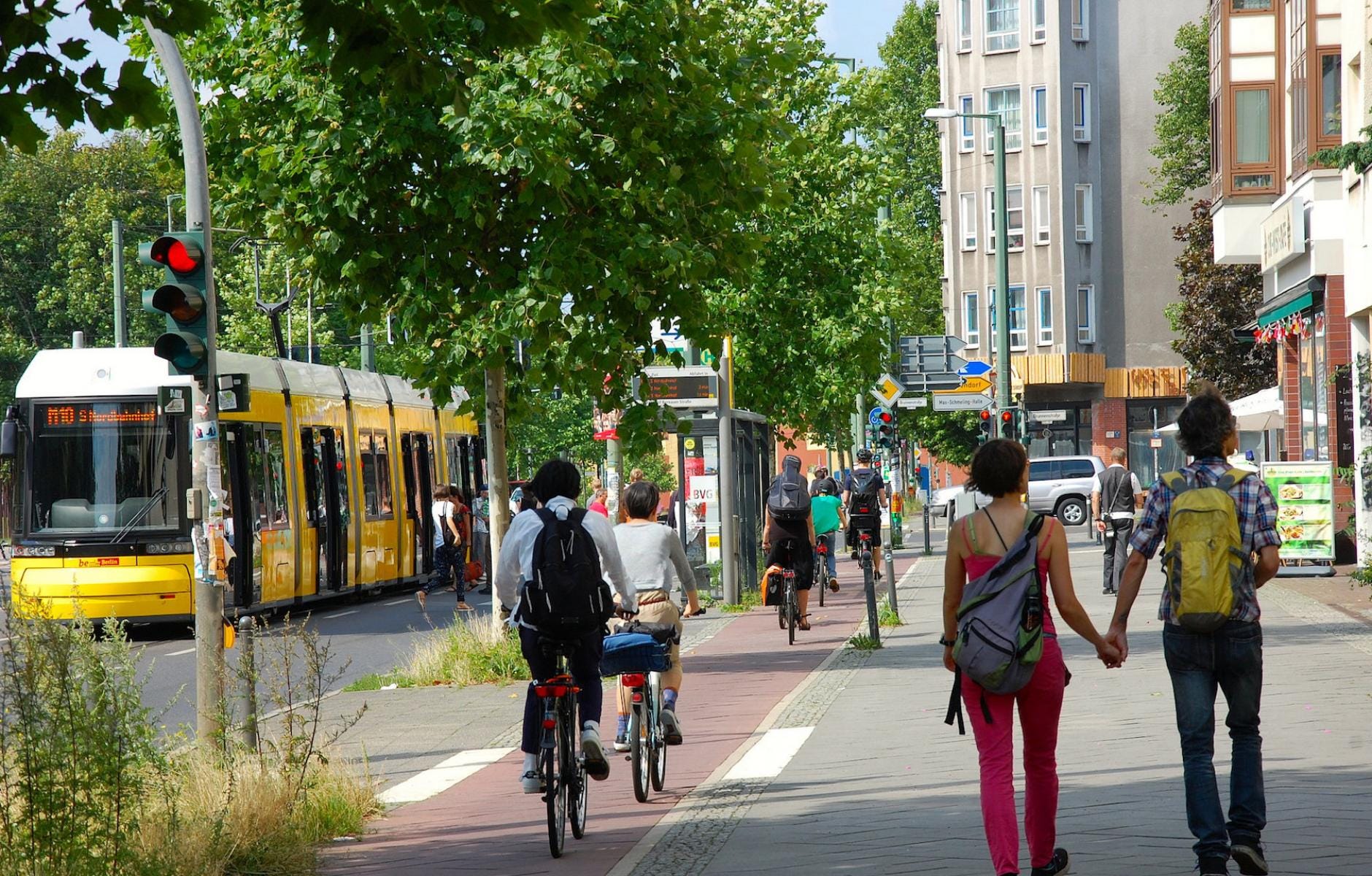
Supplying Gen Z with options for affordable housing has the potential to address the ruptures in our social coherence caused by the rise of social media and the global coronavirus pandemic, in addition to easing the unprecedented financial hardship we face. But owning a home in a walkable city also makes possible a subtler and less discussed reality, which is the ability to put down roots.
Buying a home and forming robust social ties with neighbors goes beyond achieving social cohesion, it gets residents involved in local political decision making. The current political apathy incentivized by transient residence wherever one can afford is remedied in part by having a stake in one’s community, and being sensitive to the need for investing in improvements to that community. The knot of political polarization and pessimism can be untied with the same solution as the loneliness crisis and financial hardship: by increasing our housing supply and by building better cities. And insofar as denser urban developments are undeniably more sustainable and better for the environment, addressing the tight knot of climate change and ecological damage from human activity is another crucial role that citybuilding plays for Gen Z, the generation most actively concerned with the environment.
CITYBUILDER brings together designers, planners, developers, and advocates from all generations who recognize the challenges we all face and see the solution that citybuilding provides. This organization has from the very beginning connected college students to professionals working on the core issues involved in building better cities, which is an unquestionable boon to the rising Gen Z citybuilders who want to work on the problems far upstream of our generational challenges. I’m proud to be part of this organization, and I invite any Gen Z readers to join and contribute what you can to our future of better cities, abundant housing, and thriving roots.