

VERBATIM is a series that republishes the words of local leaders and residents shaping the future of our cities.
The context
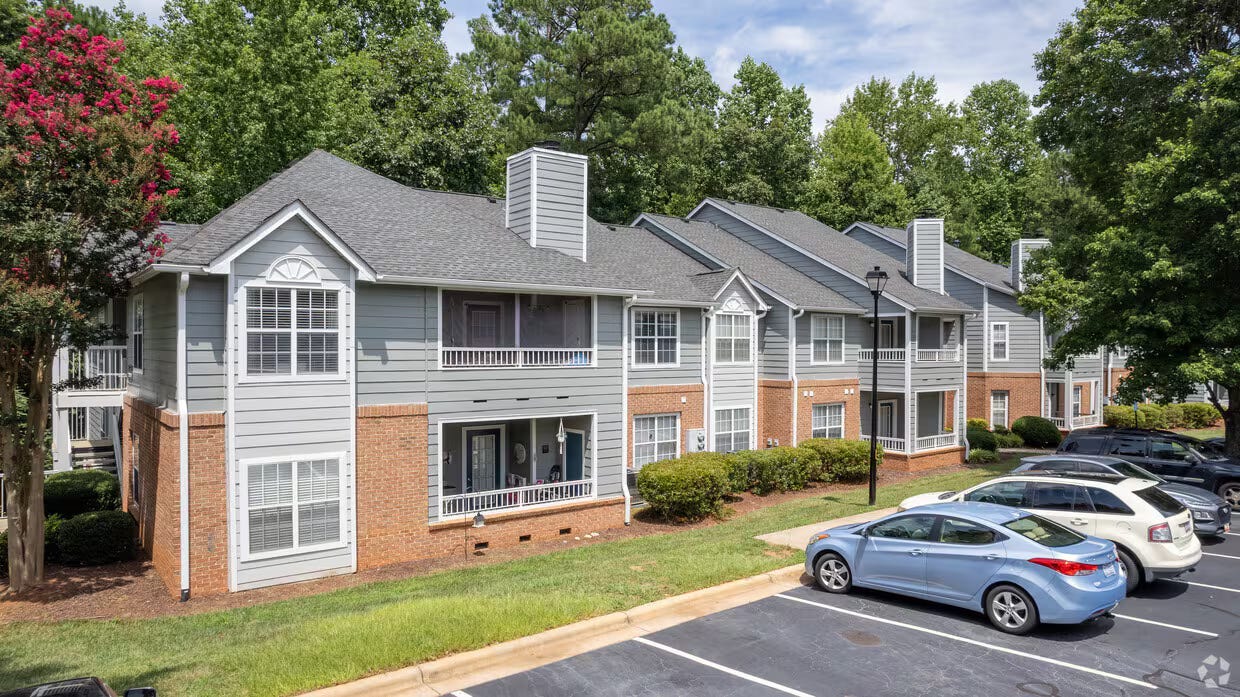
Amberwood at Lochmere is a 340-unit apartment community in Cary. It is not subsidized or income restricted. Instead, it is naturally occurring affordable housing, an older development whose rents remain below much of the surrounding market. At the time of the hearing, Amberwood was about 96% occupied, with rents affordable to households earning around 52% of the area median income.
But Amberwood’s owner put the property up for sale.
That created a familiar risk. A private buyer could purchase the apartments, renovate them, and raise rents closer to market rates. The buildings would remain, but hundreds of relatively affordable homes could disappear as current residents face higher rents.
The Raleigh Housing Authority offered another path. RHA proposed purchasing Amberwood and preserving all 340 apartments as affordable housing for at least 30 years.
In other words, the proposal was not about introducing affordable housing into Lochmere. It was about preventing existing affordable housing from disappearing.
Because RHA is based outside Cary, it needed authorization from the Cary Town Council to operate there. The July 23 public hearing was about granting that authority.
There were legitimate questions to ask about the proposal, including its rushed timeline, tax treatment, governance, and what it means for a Raleigh entity to operate property in Cary.
But much of the public opposition went somewhere else entirely.
It became a conversation about the kinds of people some residents imagined affordable housing would bring into their neighborhood.
“Street crime the likes of which Cary cannot comprehend.”
Morgan warned Council about violent crime she associated with Raleigh Housing Authority properties, invoking shootings, rape, homicide, and sexual assault before telling Cary residents that such crime could eventually arrive at their doorsteps.
Nothing about the proposal would suddenly introduce affordable housing to this neighborhood. Amberwood was already affordable, already almost fully occupied, and already home to hundreds of Cary households.
The people being discussed as a future threat were not an abstract population waiting to descend on Lochmere. Lower income people already live there.
“They shouldn’t have to be afraid to walk down the street because we’re going to put in subsidized housing in our backyard.”
Mancino said neighbors should not have to fear walking down their own street because of subsidized housing. Drawing on her experience living near Section 8 housing in Minnesota, she described it as frightening, then warned of drugs, child abuse, and neglect.
Housing assistance is not a character trait.
It does not tell us whether someone is a good neighbor, whether they care for their children, whether they use drugs, or whether they commit crimes. Treating a person’s income or need for assistance as a proxy for any of those things is exactly the kind of stigma that makes building and preserving affordable housing so difficult.
“Is Stormie here?”
One name called during the hearing stood out: Stormie Forte.
Forte is an at-large member of the Raleigh City Council. Her name appeared among the registered speakers, but when she was called, no one came forward. She did not speak.
We do not know from the meeting why Forte registered, what she intended to say, or why she was absent when called. But the presence of a sitting Raleigh councilmember on the speaker list for a Cary hearing involving the Raleigh Housing Authority is noteworthy.
“Please do not put this in my neighborhood.”
Atkins grew up in Lochmere and still lives with his parents about half a mile from Amberwood. He told Council that affordable housing could turn Lochmere into a crime-driven neighborhood. He asked councilmembers whether they would put affordable housing in their own neighborhoods, then pleaded with them not to put it in his.
That sentence gives this piece its title because it distills so much of what went wrong that night.
Again, no one was proposing to put affordable housing into Lochmere. It was already there.
Amberwood’s existing residents were already neighbors. The question was whether their homes would remain affordable after the property changed hands.
That distinction matters. When preserving affordable housing is described as bringing undesirable people into a community, the objection is no longer simply about a government program or a particular transaction. It becomes a statement about who is imagined to belong there.
But the fear and hostility toward affordable housing were not the only reactions in the room.
Some saw affordable housing as something to fear. Others saw it as a source of stability, an opportunity, and something worth preserving.
“It saved our life.”
Carla Liberatore offered a very different story.
Decades ago, she and her husband lost their jobs while raising two small children. They moved into affordable housing in Durham. She told Council that the housing helped save both her family and her marriage.
Liberatore later became a successful financial adviser.
Today, she lives in Lochmere.
Her story should make the danger of these stereotypes obvious.
People need affordable housing for all kinds of reasons. They lose jobs. Their rent rises faster than their wages. They raise children on modest incomes. They teach our kids, care for our families, serve our food, maintain our communities, and sometimes simply hit a difficult stretch in life.
Affordable housing can give people the stability they need to recover.
And sometimes the person imagined as a threat to an affluent neighborhood grows up to live in that very neighborhood.
“We do have an opportunity to preserve a community.”
Councilmember Brittany Richards brought the discussion back to what was actually at stake.
Amberwood was going to be sold either way. RHA offered a path that could let existing residents stay in their homes while preserving hundreds of relatively affordable apartments.
Richards described those residents as teachers, firefighters, police officers, service workers, and young professionals. In other words, people who are already part of Cary.
What the proposal offered was not a way to bring affordable housing into Lochmere. It was a chance to preserve the affordable housing and community already there.
That is what makes so much of the opposition difficult to ignore. Lower income neighbors were repeatedly discussed as if they were a threat waiting to arrive, when they were already part of the neighborhood.
Amberwood was already part of Cary. Its residents were already part of Cary. Preserving affordable housing meant giving them a better chance to remain there.
A community should not become less welcoming simply because the people who already belong to it need help affording their homes.