

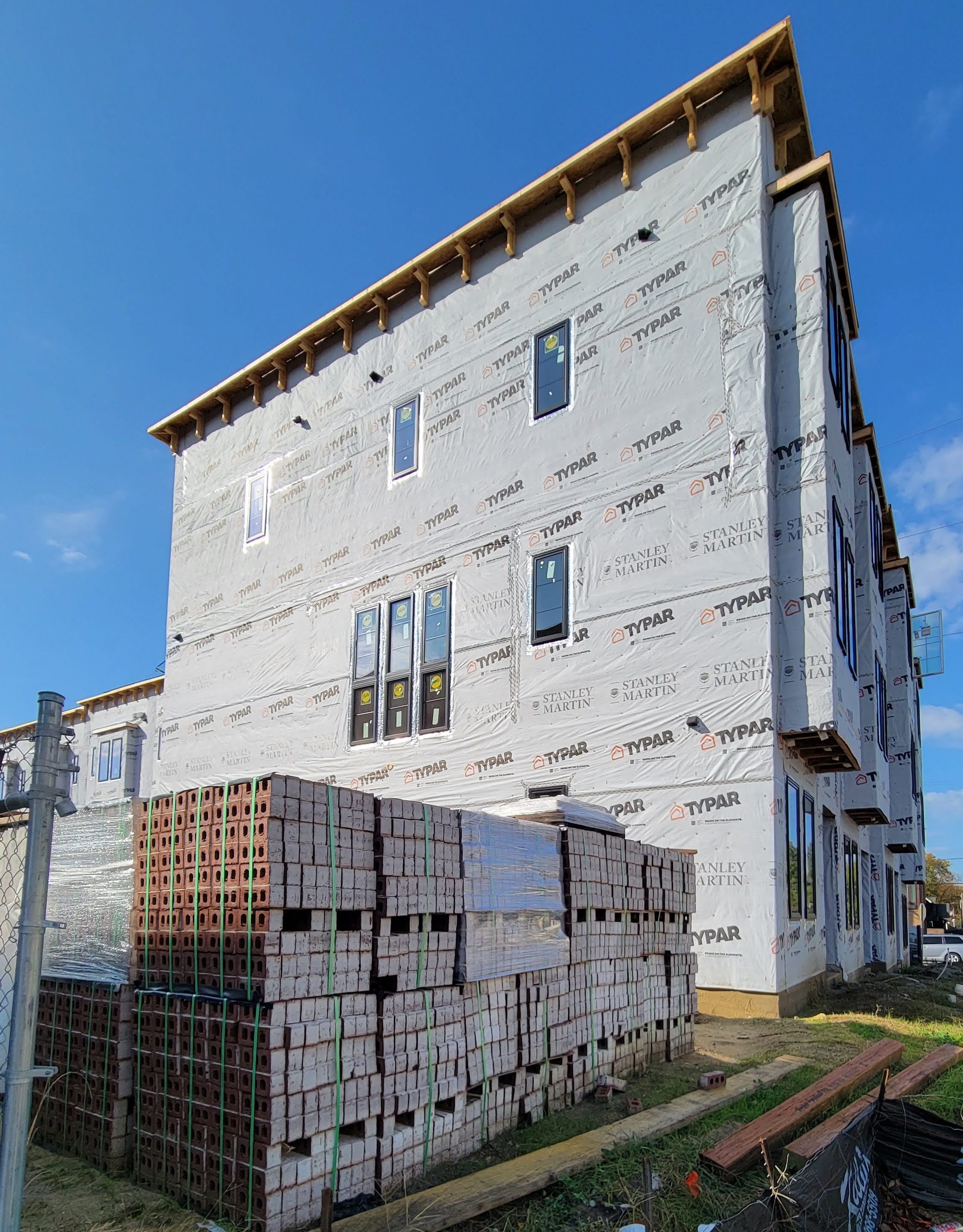
Last year, I wrote a two-part article about how zoning reforms in cities like Raleigh, Durham, and Portland have resulted in middle-scale new housing. Luckily, the city of Raleigh’s planning department publishes thorough figures about the “missing middle housing” that’s worked its way through the planning process since City Council legalized several types of middle housing in 2020 and 2021 (Raleigh Forward has a great bibliography and history, including details on pending lawsuits).
First, let’s review some definitions. Raleigh’s zoning divides houses into several building types, and the reforms made it legal to build many of those types on smaller lots – and created new types entirely. “Detached houses” are what most people call single-family houses, and “townhouses” are what they sound like. When the middle housing reforms passed, “attached houses,” aka duplexes, could suddenly be built on pretty much any lot where a detached house could. “ADUs,” or accessory dwelling units, are small houses that can be detached or attached to a larger house, but importantly share a lot. “Tiny houses” are small houses that can be built on small parcels – like an ADU, but with its own yard. “Apartments” are any building with three or more units that isn’t a townhouse; they can be rented or sold (as condominiums).
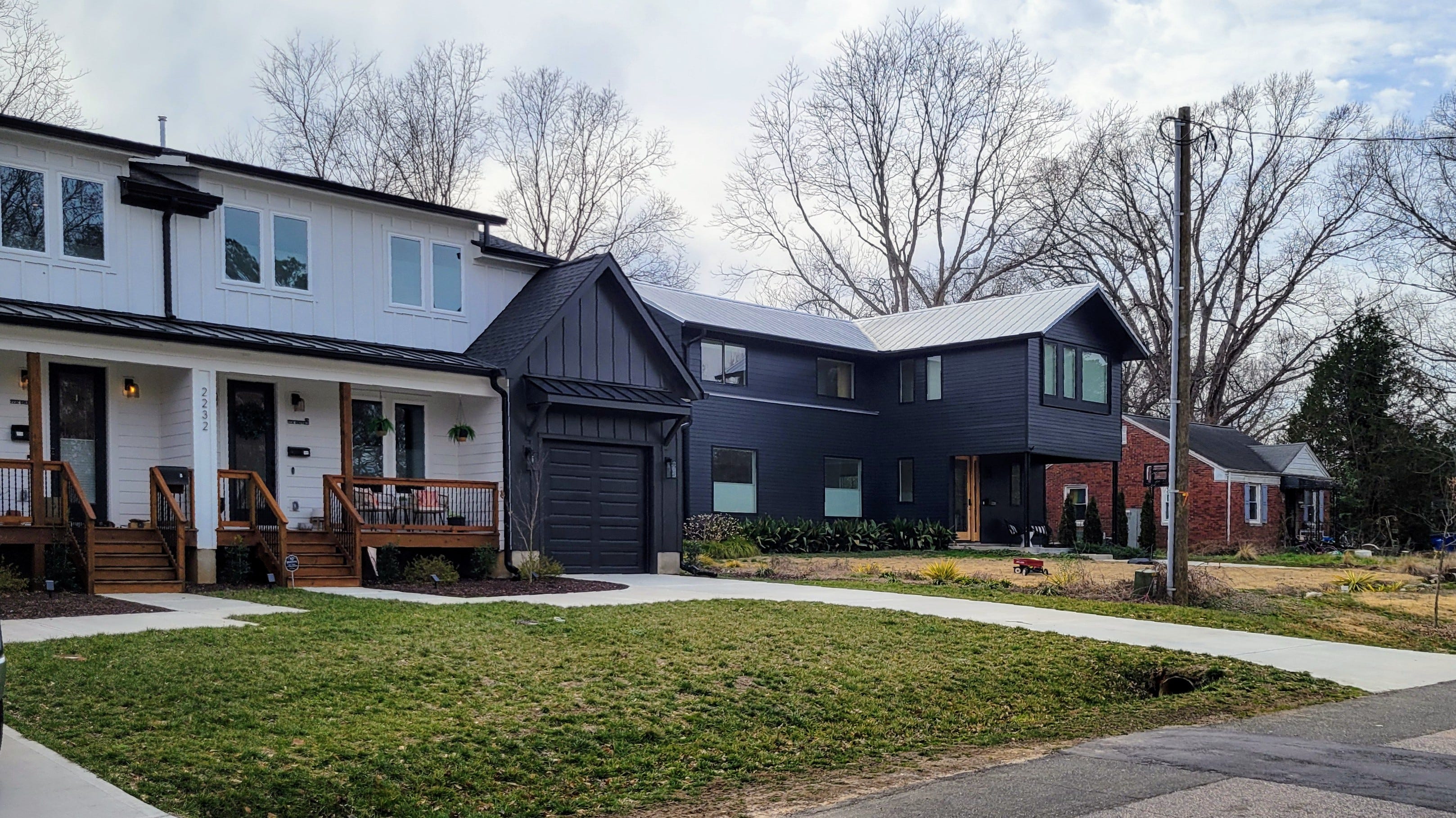
The great news is that over 4,000 units of housing have been approved that otherwise would have been impossible – all despite ongoing litigation. In a city with 500,000 residents and with fewer greenfield sites, that’s a lot!
