

I recently visited NC State University to ask students what off-campus housing looks like for them. Most said they pay between $800 and $1,200 per month for an apartment with roommates. Even then, one student described Raleigh’s housing market as “exorbitant”.
According to Axios Raleigh, rents for student housing near NC State have increased by 30.5% since 2020. At UNC Chapel Hill, rents have risen 23.3%, compared to a 22.9% increase in market-rate apartments. Student rents around NC Central and Duke have experienced similar trends. Across the Triangle, student housing costs are rising rapidly.
This piece was written by Ka’Mya Cooper, a CITYBUILDER student fellow. Each semester, CITYBUILDER provides fellowship opportunities for aspiring student urbanists in the Triangle.
As a student at North Carolina Central University, I’ve felt the impact of this firsthand. I wasn’t able to get on-campus housing, so I had to find the next most affordable option. Off-campus housing works, but it comes with its challenges. Transportation becomes a daily concern, and being farther from campus makes it harder to be fully present as a student.
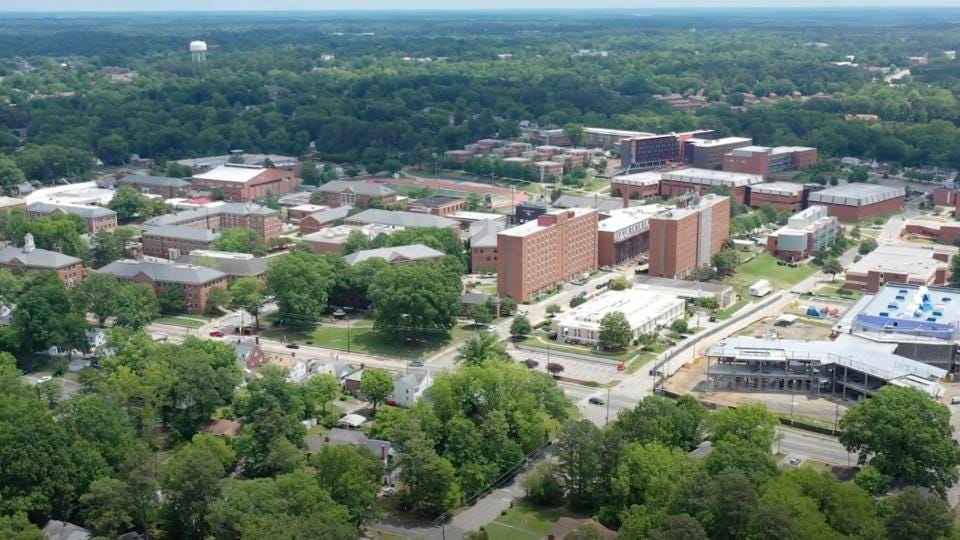
That’s why the conversation around student housing needs to shift.
Students don’t just need more housing. We need accessible housing near campus. When universities fall short on space, students are pushed into already competitive rental markets, driving prices higher for everyone and limiting options. Building more housing specifically for students can help relieve this pressure, while giving students places designed for their basic needs. Local residents can rent decent homes at more affordable prices if they aren’t competing with students for space.
Proximity also matters. Living closer to campus isn’t just about convenience; it plays a role in how students engage with their education. Shorter commutes mean fewer barriers to attending class, participating in campus activities, and accessing resources.
The takeaway is simple: Student housing is not a luxury. It’s part of the infrastructure that supports student success. As prices continue to rise across the Triangle, expanding near-campus housing will only become more urgent.
This piece was written by Ka’Mya Cooper, a CITYBUILDER student fellow and current undergraduate at North Carolina Central University.
Great piece. In addition to making it hard to build next to campus, Chapel Hill has created oversized historic districts that effectively subsidize fraternities and sororities at the expense of everyone else. You shouldn't have to pledge a fraternity to find affordable housing near campus.