

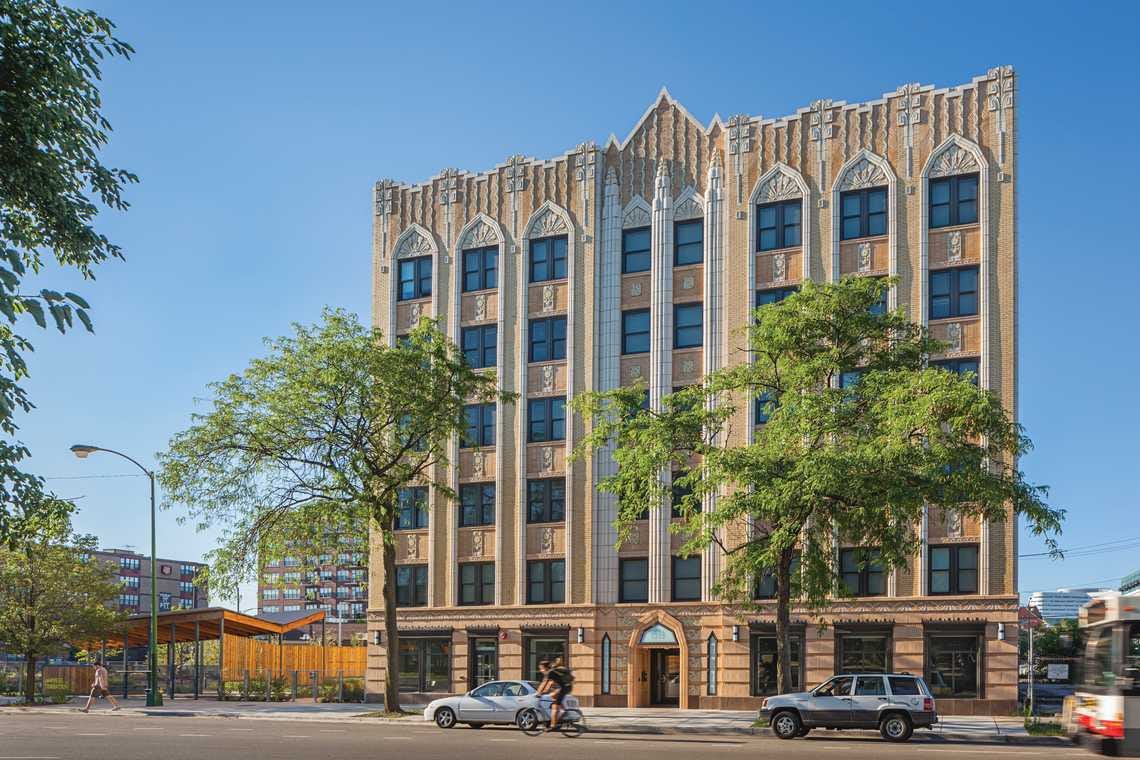
A long time ago in a galaxy far far away… before exclusionary zoning became the norm in America post WWII, single room occupancy (SRO) was a common type of housing. Think of these units as smaller, simpler apartments: an individual rents a private room but shares kitchens and bathrooms with neighbors.
SRO housing can range from a guest bedroom rented out of a large single-family home, to a dorm-style boarding house that provides a cheap housing option for single adults, to repurposed office buildings with private rooms and shared amenities.
Unfortunately, in the Triangle SROs are mostly illegal. As part of the late 20th-century wave of zoning in America, SROs were outlawed or regulated into oblivion, and with them the cheapest housing available disappeared.
SROs provide a number of unique benefits:
• SROs are often the cheapest non-subsidized housing you can find. Median rents for SROs were historically hundreds of dollars lower than apartments of even modest size.
• They work for a surprising variety of people: students, young workers, folks in between jobs, single adults, and anyone who just doesn’t need a giant apartment.
• They can unlock existing housing capacity by using spare rooms and underused buildings without spending billions in subsidies.
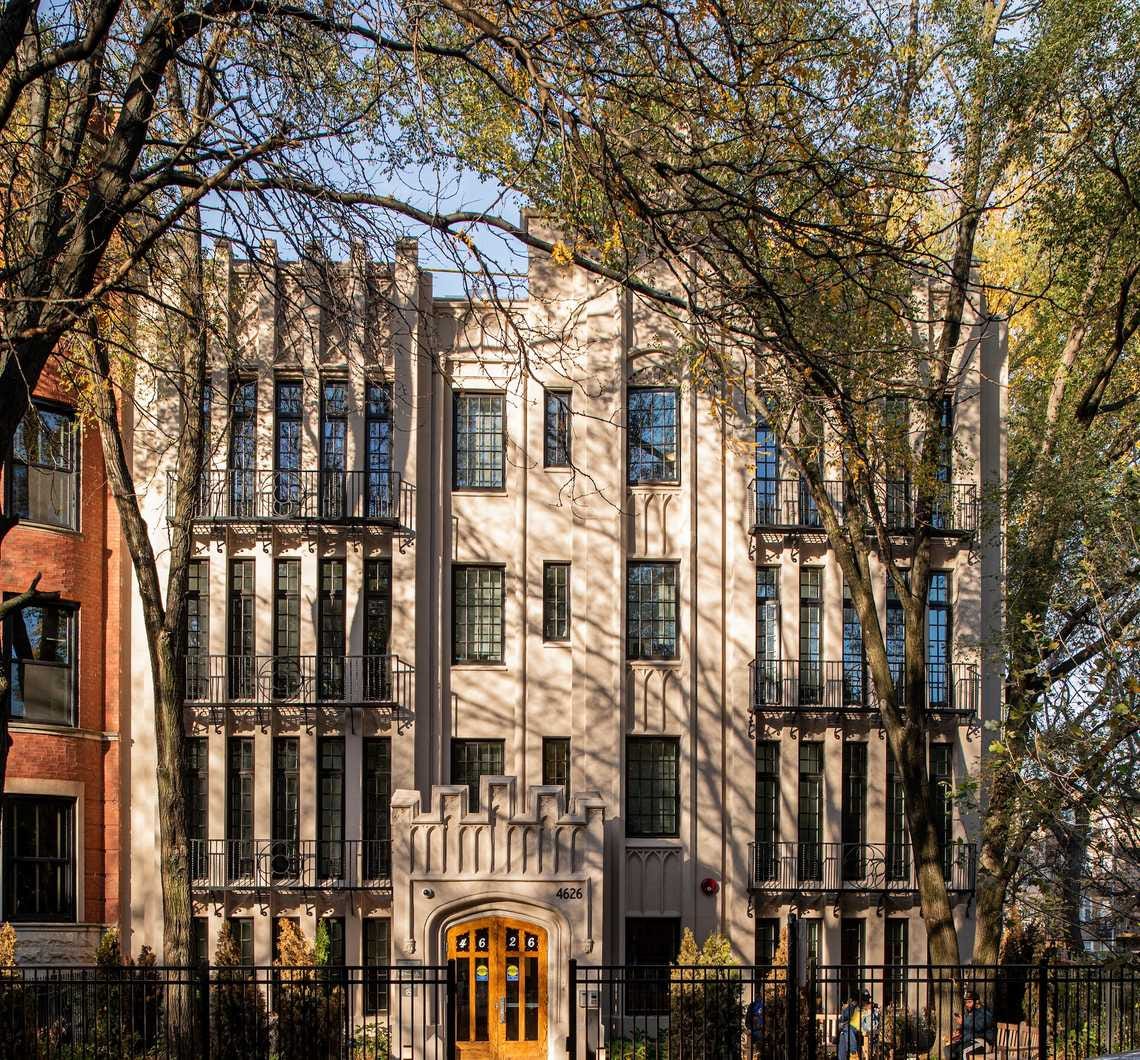
Raleigh and Durham (like most growing cities) have a housing shortage and an affordability problem. We build lots of big, expensive living options, but the lower rungs of the housing ladder are sparse. Markets work when they offer a range of choices. Right now in Durham, SROs are only allowed without a special use permit on college campuses and in the downtown core. Raleigh has a strict occupancy restriction that sets a limit of 4 unrelated persons per “dwelling.” This effectively outlaws any sort of SRO outside of a specific “Co-Living” zoning district. So while SROs are not technically outlawed entirely, in both cities the regulatory environment eliminates their use outside of student dorms and other specific circumstances.
This is a complete shame. There’s already housing stock sitting unused or underused in many cities. The law shouldn’t force it into inactivity. Durham is in the process of rewriting its zoning code (an effort that’s currently paused). When that process resumes, Durham has a golden opportunity to make SROs an integral part of our housing market once again.
Currently the R-D and RX districts in the proposed zoning code (now called the LDC) are intended to permit various forms of buildings while limiting the density of different neighborhoods to different levels (I would encourage you to check out the draft materials). My proposal is to add specific language to the RD/RX districts that includes all the standards of the proposed RD/RX district, and allows for SRO arrangements without special use permitting. Removing this regulatory barrier will allow the flexibility of SROs to flourish and pay dividends to our housing market. I would encourage the UDO to adopt occupancy standards in line with the Fair Housing Act, along with reasonable environmental and health standards. What’s important is that one doesn’t need to apply for a special permit to take advantage of SRO housing options.
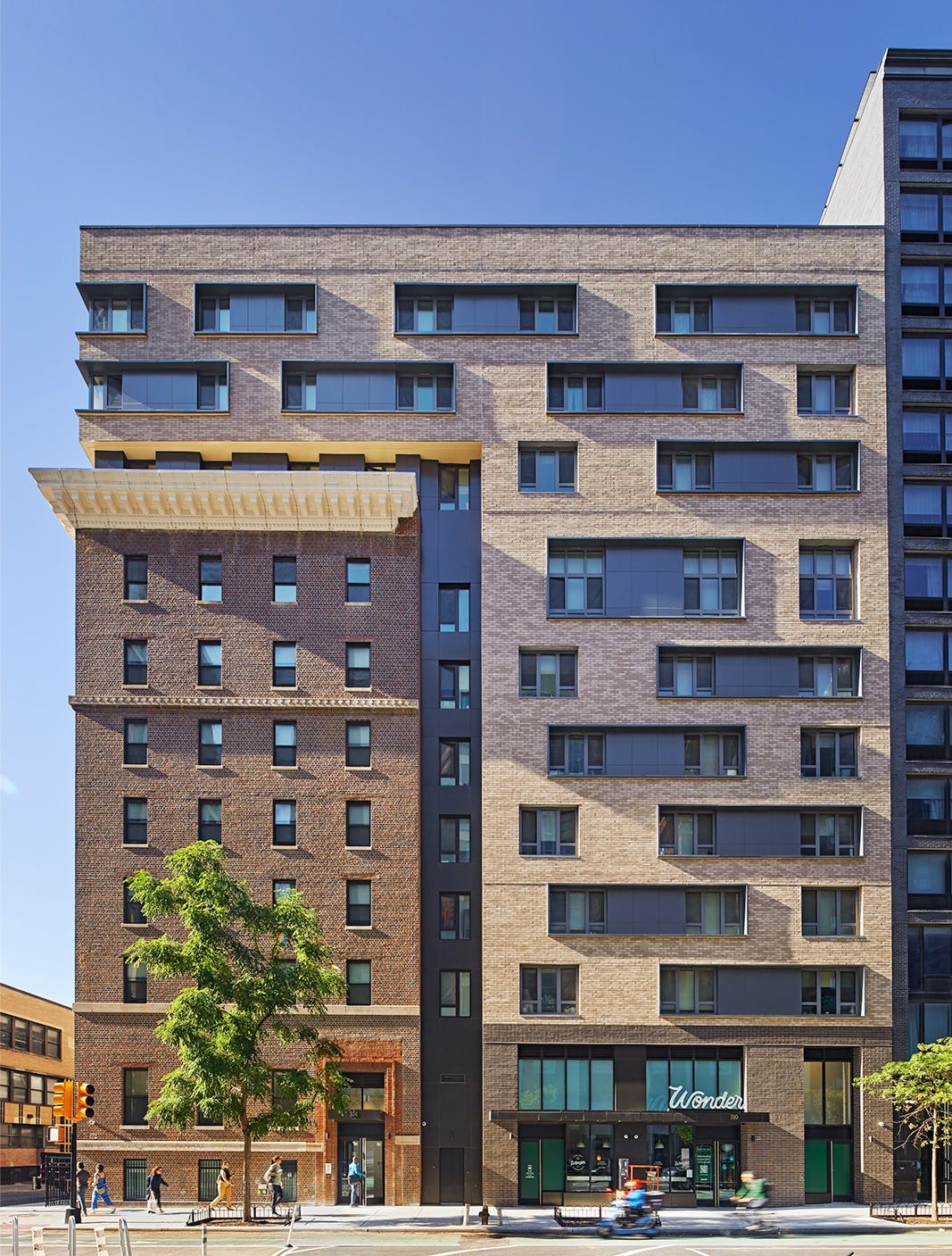
SRO setups would flourish along our transit corridors, near mixed-use districts in and around downtown. Allowing SROs is a form of upzoning, but one that doesn’t involve massive high rises, it is effectively a “gentle” density, legalizing a long lost form of housing that will help us in the 21st century.
With respect to Raleigh, they should ditch the odd “4 unrelated persons” rule for occupancy, take SRO out of a special zoning district, and add SRO to existing residential districts. SROs should be treated as a normal, viable form of housing.
For more info on policy proposals, especially those that could legalize SROs statewide, check out this model legislation from Institute for Justice.
Andy Lowe is a local Durham resident who is passionate about local politics and land use. To keep up with him and the Durham City Council, check out his substack. He serves as chapter lead for the RDU New Liberals.