

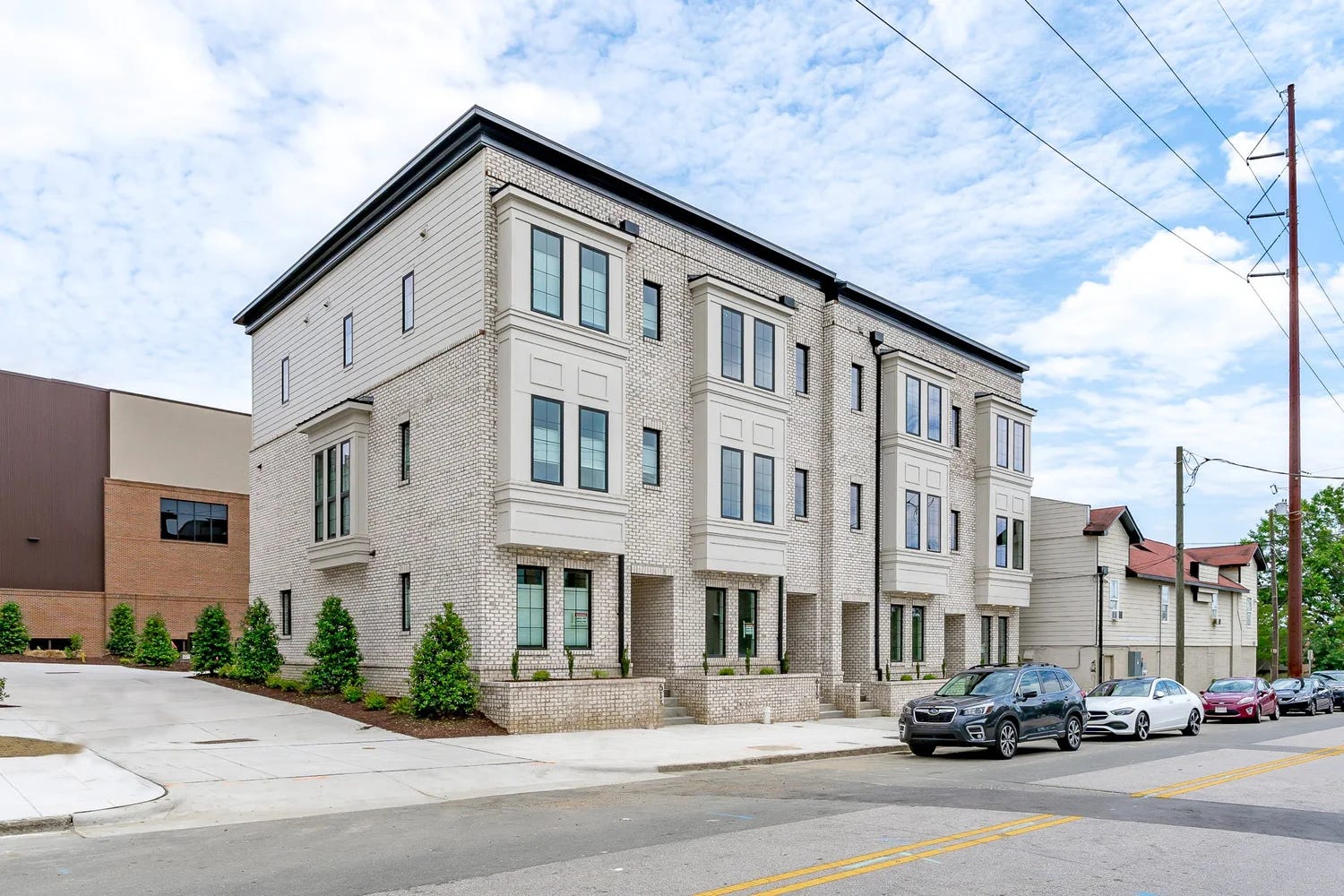
Raleigh has begun opening the door to missing middle housing.
We’re seeing more conversations and more permits around ADUs, duplexes, and townhomes. That matters. That’s real progress.
But if we’re being honest, something about the conversation still feels incomplete.
Because there’s a whole range of housing types between a single-family home and a large apartment complex, and we’re only beginning to tap into it.
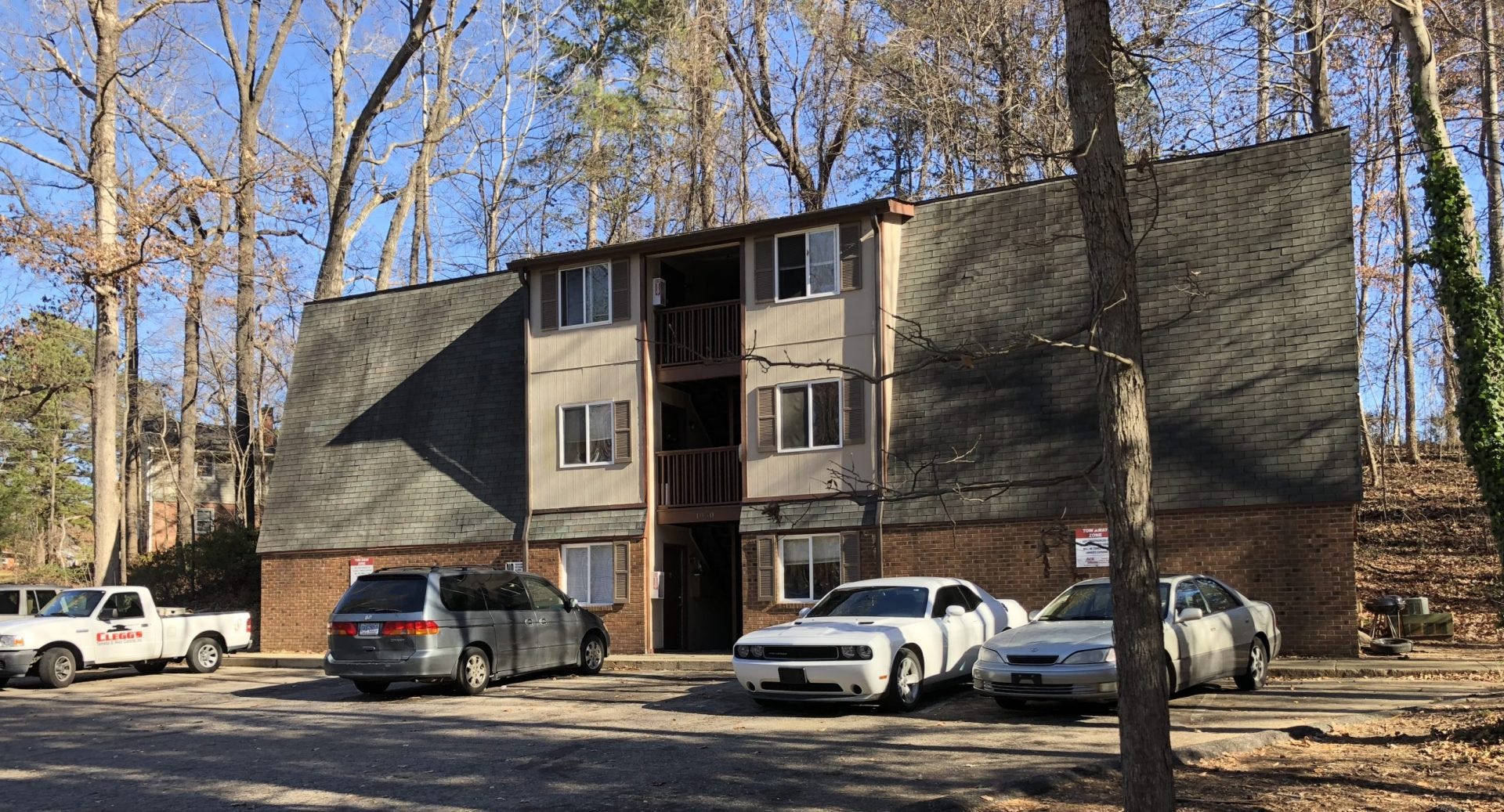
As a kid, I used to ride my bike down Raleigh Blvd, usually coming from the Boys and Girls Club. I would pass by 1950 N Raleigh Blvd all the time and never gave it a second thought.
Years later, I find myself driving past that same property and asking a question.
Why aren’t there more of these?
A six-unit building, built in 1984, sitting on about a quarter acre. Nothing flashy. Nothing out of scale. Just a small apartment building that fits into its surroundings.
The more I think about it, the more it feels like proof.
Proof that the next chapter of missing middle housing in Raleigh has been here the whole time.
Townhomes, duplexes, and ADUs are important tools to end the housing shortage, but they’re just the beginning.
There’s an opportunity to expand our definition of middle housing to include fourplexes, small 6–10 unit apartment buildings, and even neighborhood-scale 10–20 unit developments. Not as a replacement, but as the next layer.
Because if missing middle stops at adding one or two units at a time, we’re only scratching the surface of what’s possible.
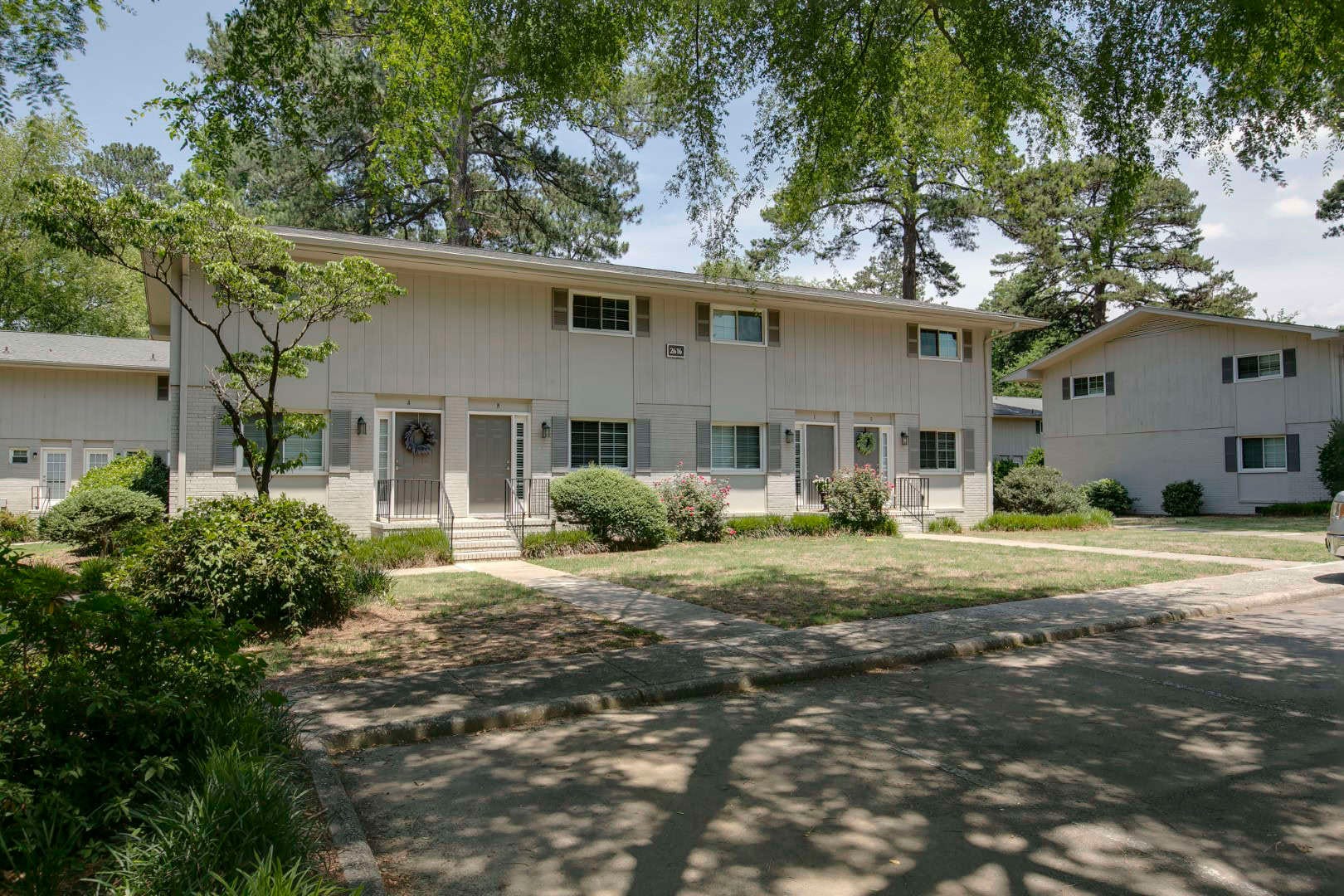
What’s interesting is that Raleigh already has examples of this kind of housing scattered throughout the city.
In older neighborhoods like Five Points, Boylan Heights, Mordecai, and parts of Southeast Raleigh, you’ll find small multifamily buildings that have been part of the fabric for decades.
Four units. Six units. Sometimes more.
They don’t stand out as disruptive. They don’t feel out of scale. They just feel like part of the neighborhood, and most people don’t think twice about them.
That’s the point.
By allowing 4 to 20 unit buildings in Raleigh’s neighborhoods, we aren’t introducing something new. We’re just recognizing what was once commonplace.
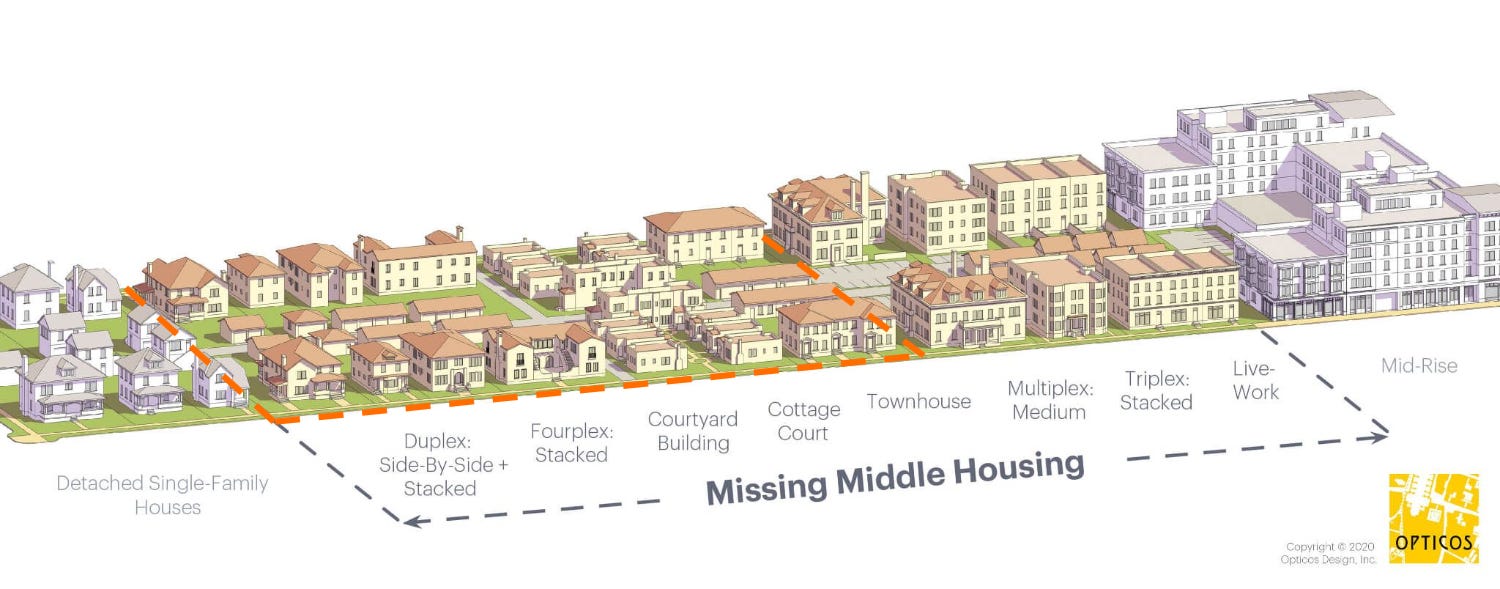
There’s a wide range between a single-family home and a 200+ unit apartment building.
And right now, we’re barely using it.
Not because it doesn’t work, but because we haven’t fully allowed ourselves to.
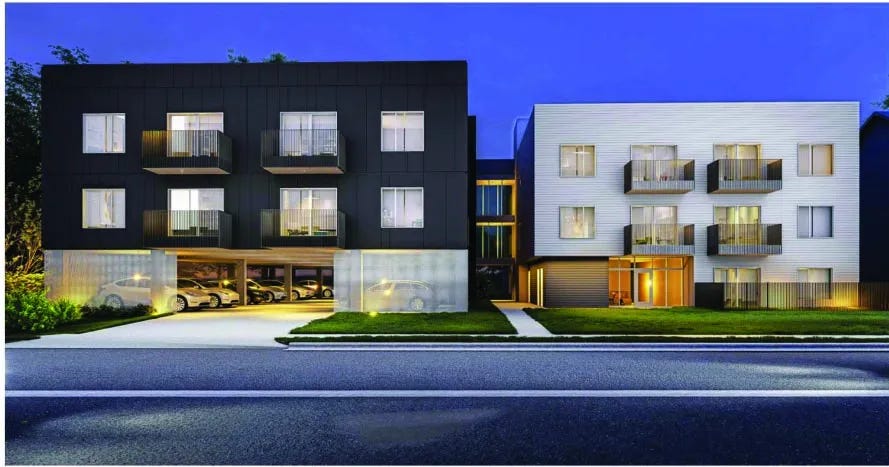
A fourplex on a standard lot can look and feel like a large home. A 6–10 unit building is often just two or three stories, similar in height to many of the houses being built today.
And a 10–20 unit building can still feel neighborhood-scale when it’s designed with intention, especially when it includes walkable layouts, shared green space, and thoughtful massing.
This isn’t about inserting large buildings into small neighborhoods.
It’s about allowing more flexibility within the scale that already exists.
Raleigh is growing.
That growth is putting pressure on housing prices, restricting land availability, and determining who gets to stay in the communities they’ve been part of.
If we want to respond in a meaningful way, we don’t just need more housing.
We need more ways to build housing.
Smaller-scale multifamily, especially in the 4 to 20 unit range, creates more attainable entry points for residents, more flexibility in how sites are used, and more opportunities for incremental, neighborhood-based growth.
And just as important, it creates space for smaller, local developers to participate in shaping the city.
This isn’t theoretical.
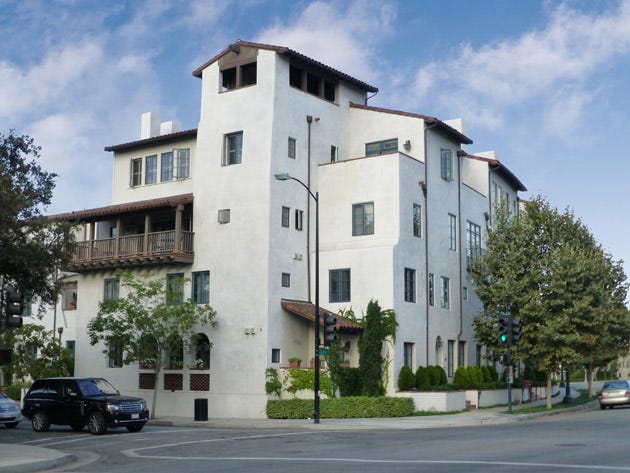
In places like Pasadena, small courtyard-style apartment buildings in the 10–20 unit range are some of the most desirable housing in the city.
Not because they’re large, but because they strike a balance between density and livability. That same balance is possible here.
As we think about expanding into this range, there are a few systems that will need to evolve alongside it.
Zoning and entitlement pathways.
Financing tools for smaller projects.
Appraisal and valuation approaches.
Predevelopment support for emerging developers.
These levers shape what gets built and what doesn’t.
Raleigh is in a position that a lot of cities wish they were in.
We’re growing. We’re attracting people. And we still have the ability to shape how that growth shows up in our neighborhoods.
If missing middle housing stops at duplexes and ADUs, we’re only scratching the surface of what’s possible.
The real opportunity is in the layer just beyond that.
And the question isn’t whether it works.
The question is whether we’re ready to treat it like it belongs.
Desmond Dunn is a husband and father of two, building a path in small-scale real estate development. He’s an emerging affordable housing developer and an Urban Design and Development Consultant at r.plan, focused on projects that strengthen underserved communities like Southeast Raleigh through good design and real community benefit.
More by Desmond Dunn:

