

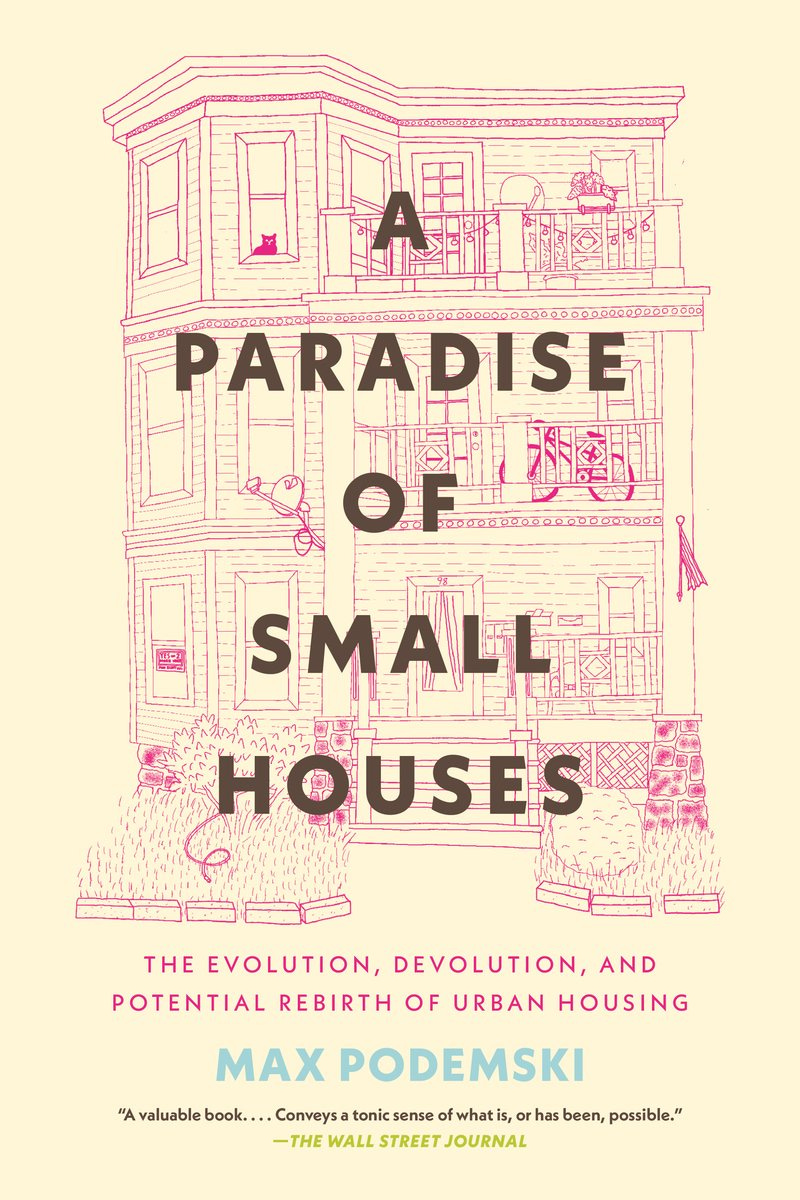
Max Podemski’s A Paradise of Small Houses describes how nine different American cities each developed their own archetypal housing typology. We’ve got Boston, Manhattan, and Philadelphia in the east, but also New Orleans, Chicago, and Portland, with postwar contributions from Los Angeles, Vancouver, and Houston. Each of these cities have, at different times and in different contexts, faced the same problem: how to house an influx of workers using the tools, techniques, trades, and materials at hand.
The stories of how homes within these cities evolved tells us a lot about the broader North American society that shaped them. As Winston Churchill said, “We shape our buildings — and thereafter our buildings shape us.” No building shapes our society more than the home.
For CityBuilder’s readership, A Paradise of Small Homes begs the question: what will our region’s contribution be to a future edition of this book? As residents of cities that are growing exponentially in the 21st century, who will build our housing, at what scale, and under what regulatory regime? Our metro area’s growth has occurred almost entirely after the era of small builders that Podemski observes. Most Triangle residents live in large subdivisions or apartment blocks. Recent reforms offer us a chance to craft a new “small house” typology that suits our needs.
The Missing Middle
Podemski’s core conclusion is that solving the housing crisis requires not just large-scale development but small-scale urban home-building, carried out by local businesses and families drawing on regional design traditions. Podemski focuses on specific housing types in each city (shotgun houses in New Orleans, bungalows in Portland, triple-deckers in Boston) and details how each one was shaped by circumstances unique to those cities at those times.
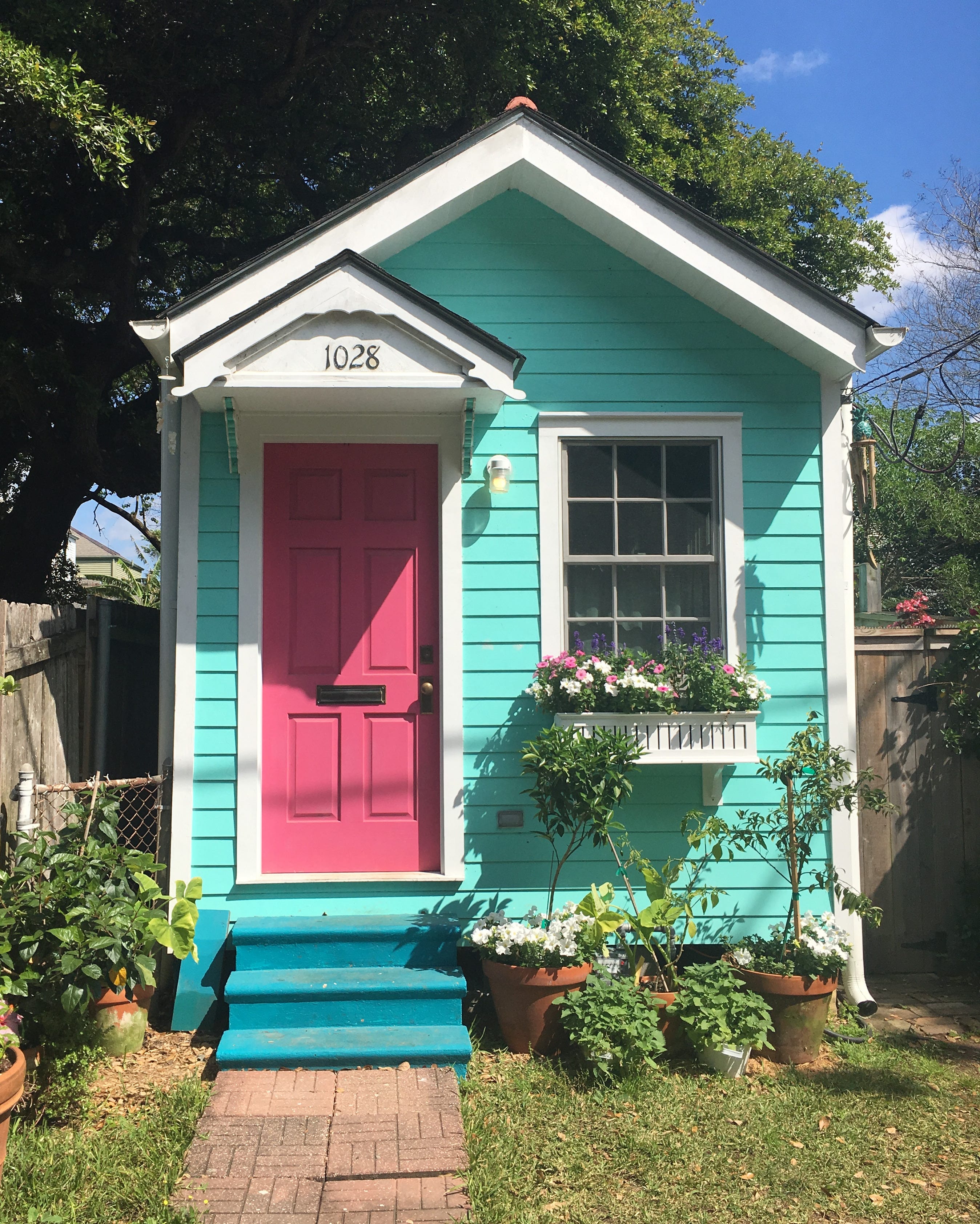
Details like typical lot width, what size of lumber was available, and the arrival of immigrant laborers all contributed to creating semi-industrialized assembly lines that churned out new houses by the thousands. Trying to re-create those specific houses today requires the impossible: re-creating the circumstances around their original construction.
The most obvious change since those days has been the introduction of zoning and building codes. Indeed, the book offers numerous tales of how cities tailored codes precisely to correct what were seen as deficiencies in local building practices. This usually resulted in over-regulation, which put an end to the construction of housing types that are cherished today.
Podemski and the Triangle’s present challenges
Philadelphia was once celebrated as “the city of homes”, and Podemski shows how small builders and ordinary families democratized the construction of the city. And even though Philadelphia-sized houses are now legally permissible to build in parts of Raleigh, actually getting that permission remains a daunting process.
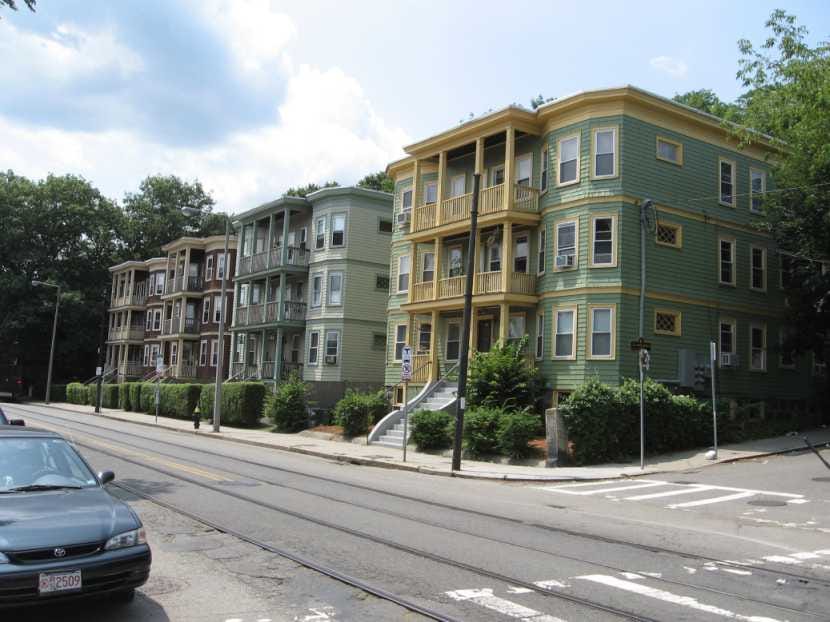
Up north, Boston’s triple-deckers were a marvelous wealth-building ladder for generations of immigrants (including my grandmother), who could occupy a fraction of the building as household needs grew or shrank, while also renting out apartments to cover the mortgage. Of course, one man’s treasure is another man’s trash: surrounding suburbs implemented classist zoning, and the state intervened with fire codes that banned triple-deckers. Yet multigenerational households like my grandmother’s have only grown in number, and their needs are one reason why accessory dwelling unit (ADU) reform continues to spread, especially in diverse suburban landscapes like Cary.
Houston’s townhouse reforms date back to the 1990s, but point the way for other growing Sunbelt metros. Space City’s simple changes to minimum lot sizes produced enormous quantities of fee-simple attached housing at price points well below what neighboring metros could deliver. Raleigh has recently embraced infill townhouses, and other Triangle towns should take note.
What’s next for the Triangle
The Triangle is one of the fastest-growing metros in the country, having added millions of residents just in my lifetime. It could accommodate future growth by deregulating small-scale infill, or try to further channel it into large planned developments. Podemski gives pro-reform planners a historical and aesthetic vocabulary to argue that denser, smaller housing isn’t radical or out of character; it’s actually what cities looked like before zoning and building codes eliminated it. To guide Raleigh’s housing future, we should take a page from other cities’ pasts.
Join CITYBUILDER Book Club
📘 A Paradise of Small Houses by Max Podemski
📅 Thu May 28th 12:00pm - 1:00pm
📍 PRESS Coffee Crêpes Cocktails
400 Hillsborough St suite 108, Raleigh, NC 27603, USA
👉 RSVP here
Come for the ideas. Stay for the people who want to build a Triangle where everyone has a place to live. We’ll see you there.
Payton Chung, LEED AP ND, is a developer and author who writes about the interrelated crafts that build cities: architecture, development, finance, landscape, planning, and transportation. He has written for the Urban Land Institute, Greater Greater Washington, the American Institute of Architects, Streetsblog, and the Congress for the New Urbanism. He is a Cary native and currently working on transit-oriented residential developments in the Triangle region of North Carolina.
Read more by Payton Chung:


